
A First-Timer’s Guide to Brazil: How to Spend 14 Days in Rio de Janeiro & Ilha Grande
South America has been on my bucket list for a long time, and starting with Brazil did not disappoint. From the moment you arrive in Rio de Janeiro, it’s easy to see why the country is one of the most loved travel destinations in the world. We’ve all seen photos of the world-famous Copacabana beach with Sugarloaf Mountain rising in the background, but experiencing it in real life feels every bit as iconic. And with one of the New Seven Wonders of the World, Christ the Redeemer, towering over the city, Brazil truly earns its place as a bucket-list destination.
For a first trip to Brazil, combining Rio de Janeiro with Ilha Grande is the perfect way to experience the country’s diversity in just 14 days. Rio delivers vibrant big-city energy, culture, food, and legendary beaches, while Ilha Grande offers a completely different side of Brazil: a lush tropical island with no cars, crystal-clear water, hiking trails, and a much slower pace of life. Brazil is huge — about 27 times the size of the UK — so in two weeks you won’t get far, which is exactly why Ilha Grande works so well. Located just a few hours from Rio, it provides a true island escape without losing valuable travel time.


Itinerary: 14 Days in Brazil
This 14-day Brazil itinerary is designed for first-time visitors to Brazil and travelers who want a balanced mix of sightseeing, amazing food, beach days, and downtime — allowing you to truly enjoy each destination rather than rushing from place to place.
Days 1–4: Arrival in Rio de Janeiro, staying near world-famous beaches Copacabana and Ipanema
Days 5–10: Explore Ilha Grande, Brazil’s car-free tropical island paradise
Days 11–14: Back to Rio de Janeiro for deeper exploration and a relaxed finish, including discovering a new neighbourhood like Santa Teresa
Day 1: Arrival in Rio de Janeiro
You’ll arrive in Rio de Janeiro and settle into your accommodation. We stayed in a cute, centrally located Airbnb between Copacabana and Ipanema, which was the perfect base for exploring the beaches and neighbourhoods. Depending on your arrival time, explore Ipanema, grab dinner and get some rest after a long flight.
Tip: If you don’t already own a pair of Havaianas (or if you want an excuse to buy another one), make sure to buy some in one of the many stores around Ipanema — they’ll become invaluable during your time in Brazil.
Day 2: Beaches & the Botanical Garden
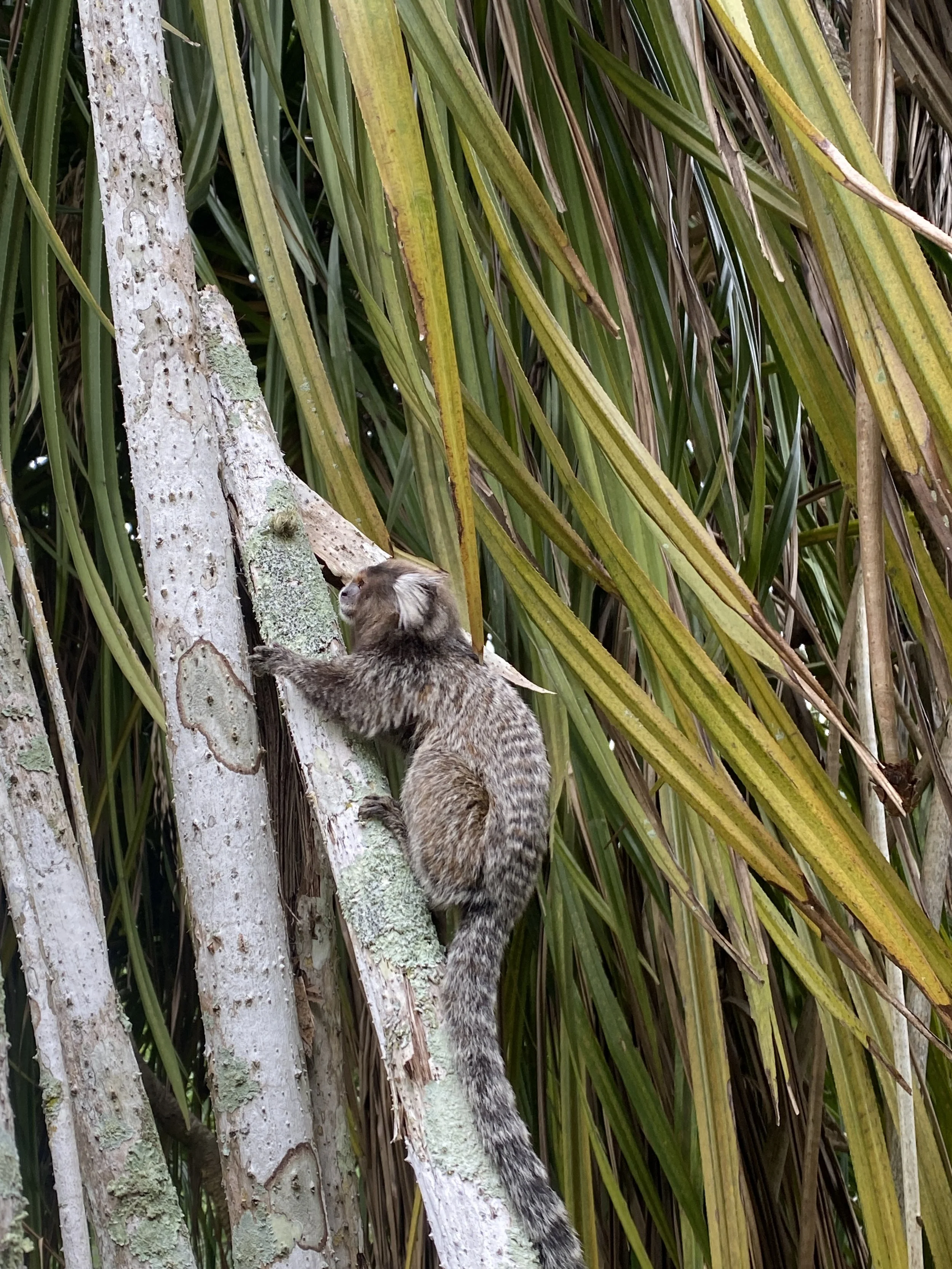
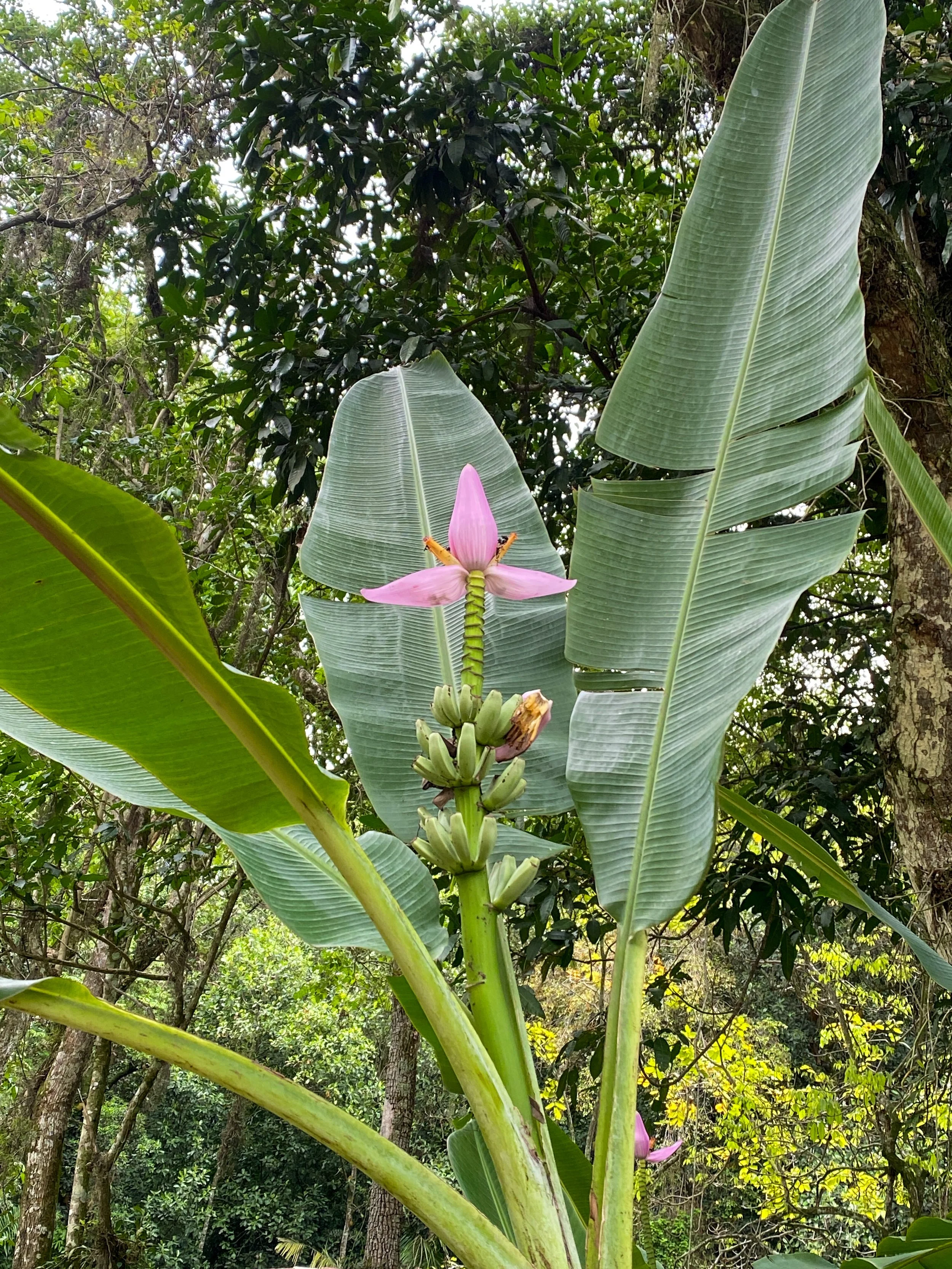
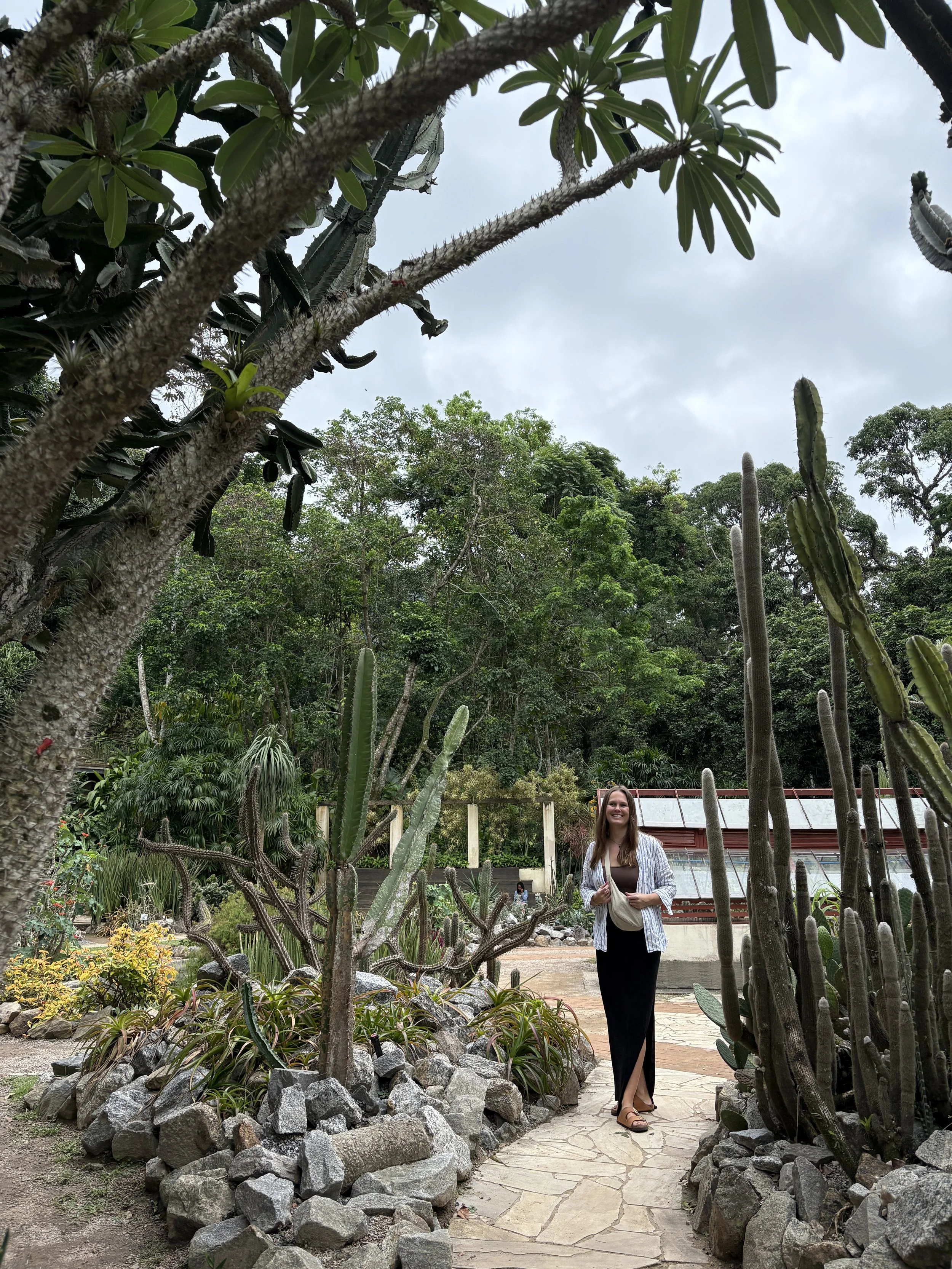
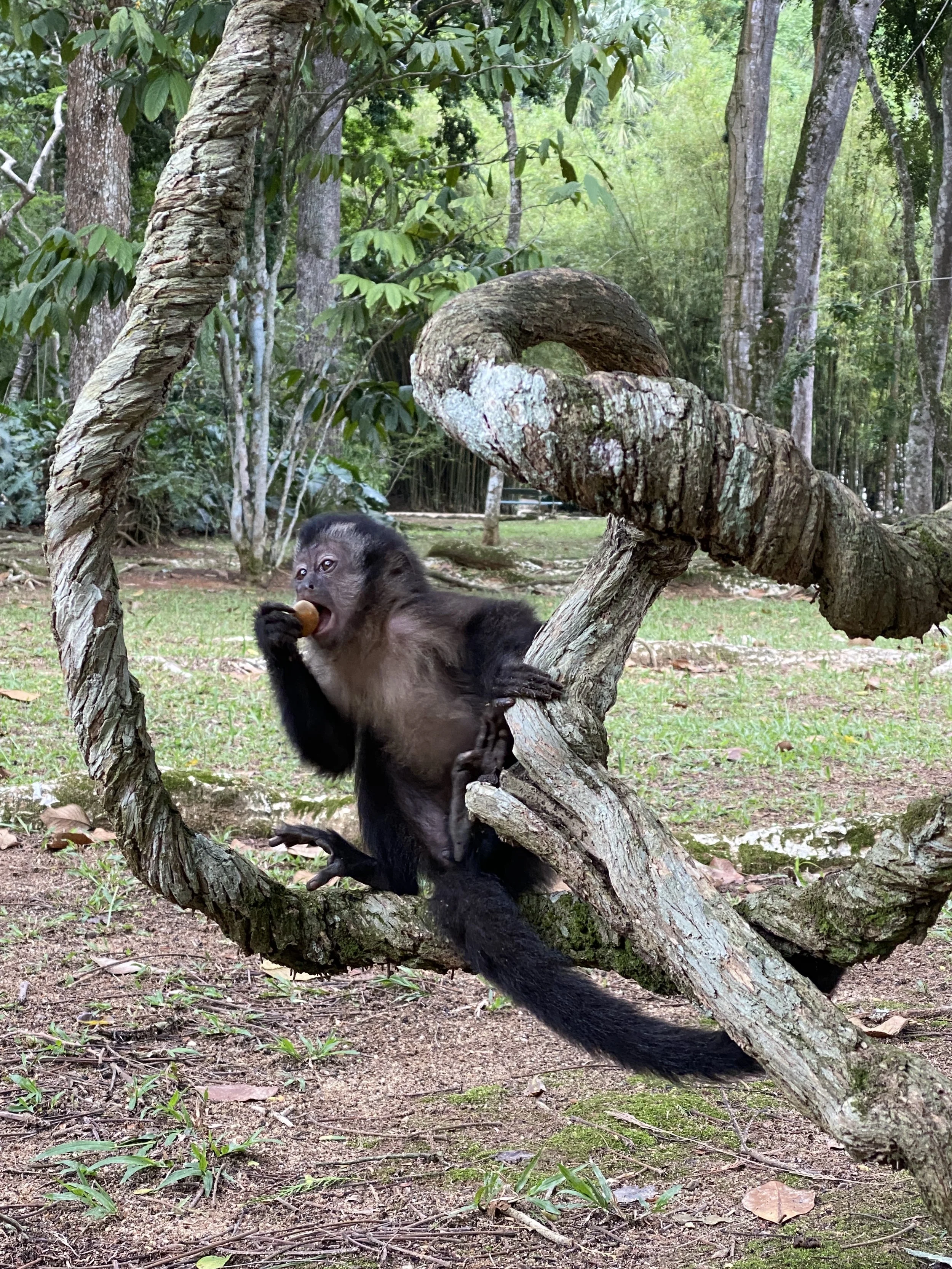
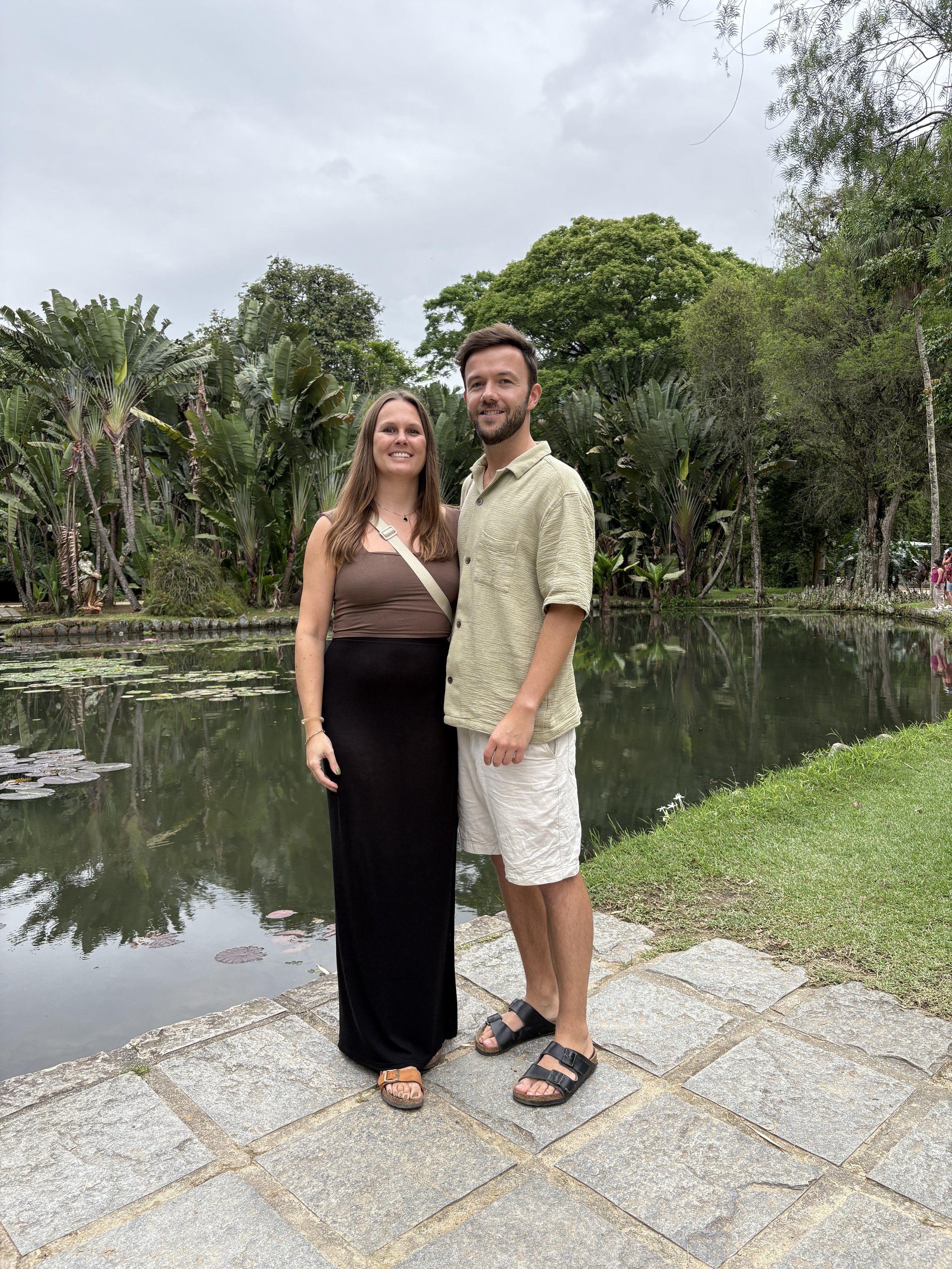
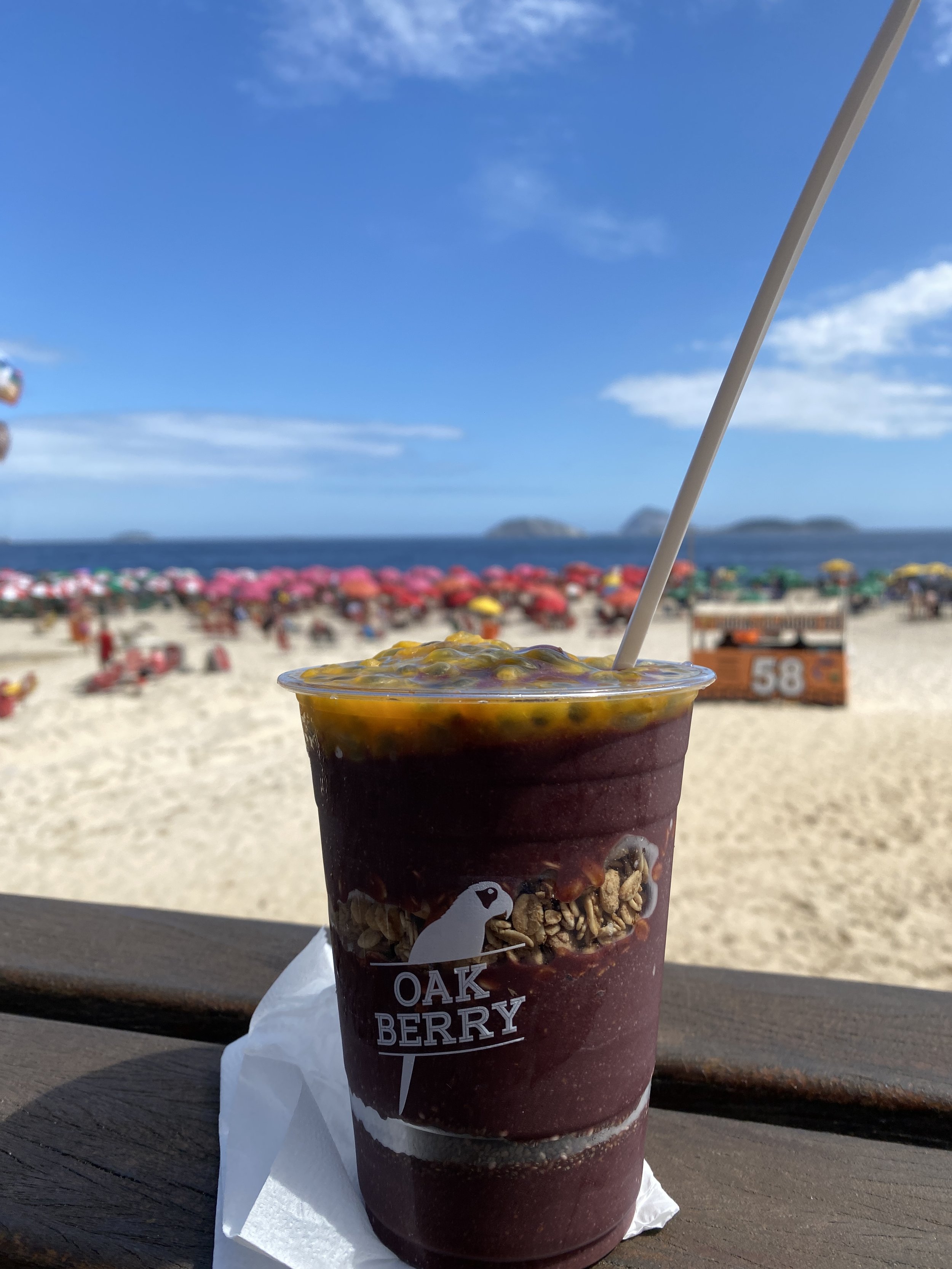
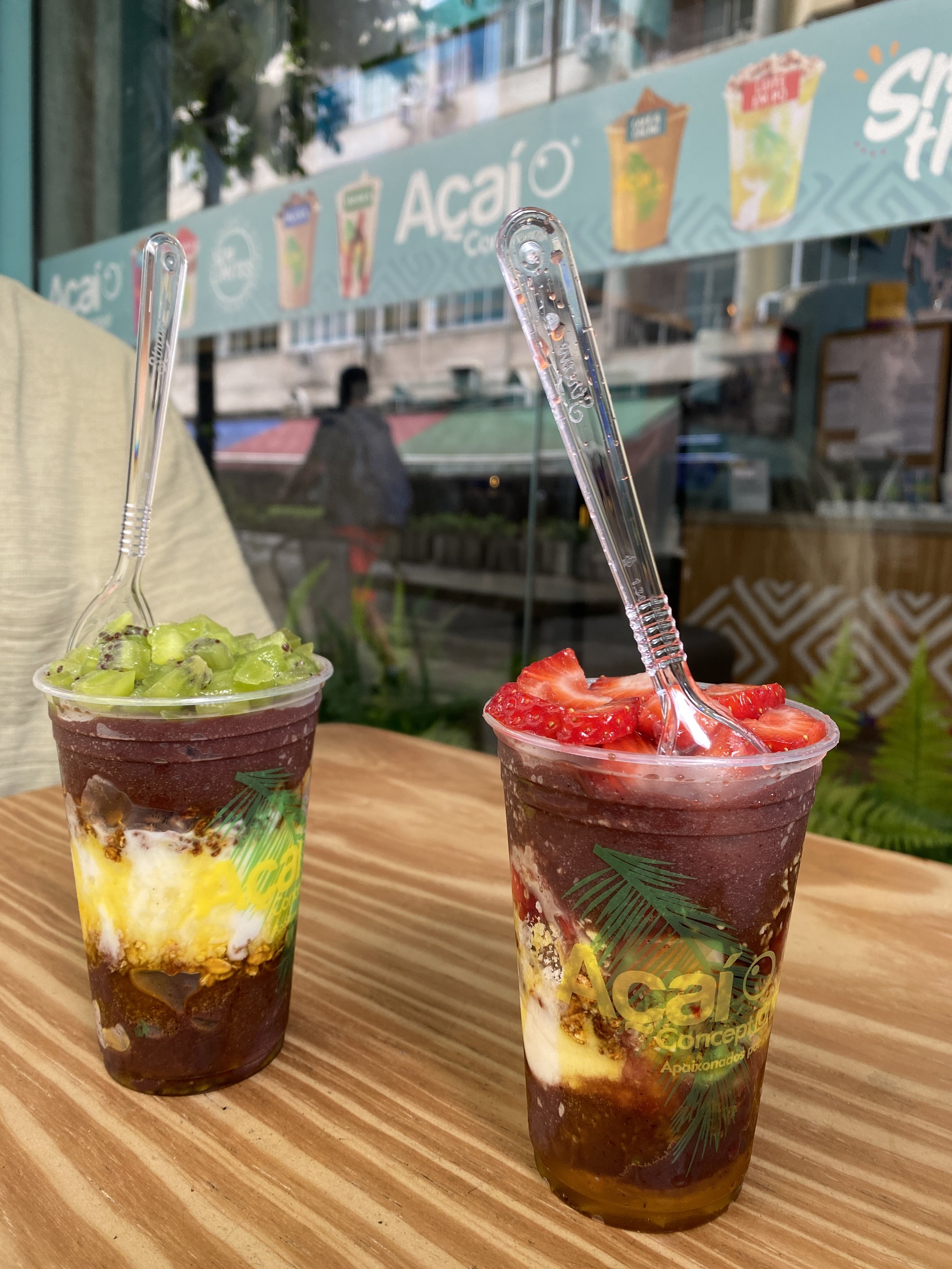
Start your day with some good coffee and breakfast at Aussie Coffee, followed by a stroll along Rio’s stunning beaches: Ipanema and Copacabana. For lunch, try açaí or tapioca from a local café or beach kiosk. In the afternoon, head to Jardim Botânico, founded in 1808 by Portuguese king Dom João VI. This botanical garden is home to an incredible variety of plant species and exotic wildlife. During our visit, we spotted toucans, common marmosets, and black capuchins, making it a truly memorable experience.
Tip: Visit the botanical garden in the (late) afternoon to see the monkeys most active and feeding on jackfruit. Don’t forget your mosquito spray.
Day 3: Favela Tour & Ipanema Exploration
Start your day with a guided morning favela tour of Santa Marta, known as the safest favela in Rio and famously featured in Michael Jackson’s “They Don’t Care About Us” music video. We booked our tour through GetYourGuide and absolutely loved it — it offered unique insights into daily life in a favela and helped challenge some common misconceptions. Our guide was incredibly knowledgeable and well-connected with the locals. Most areas allow photography, though a few spots are off-limits due to rather illegal activities. After the tour, reward yourself with a relaxed brunch at Empório Jardim na Praia in Ipanema, the perfect spot to unwind and reflect on the morning’s experience. If the weather allows, spend the rest of the afternoon either browsing shops in Ipanema or soaking up some sun on the beach.
Local markets in Ipanema
If you find yourself in Ipanema on a Sunday, be sure to check out the hippie market in Ipanema. From 8AM - 6PM, Praça General Osório (📍 exact location here) transforms into a colorful open-air market full of handmade crafts, paintings, home décor, clothes, and more. The vibe is relaxed and it's the perfect spot to pick up some unique souvenirs and soak up the local bohemian energy.
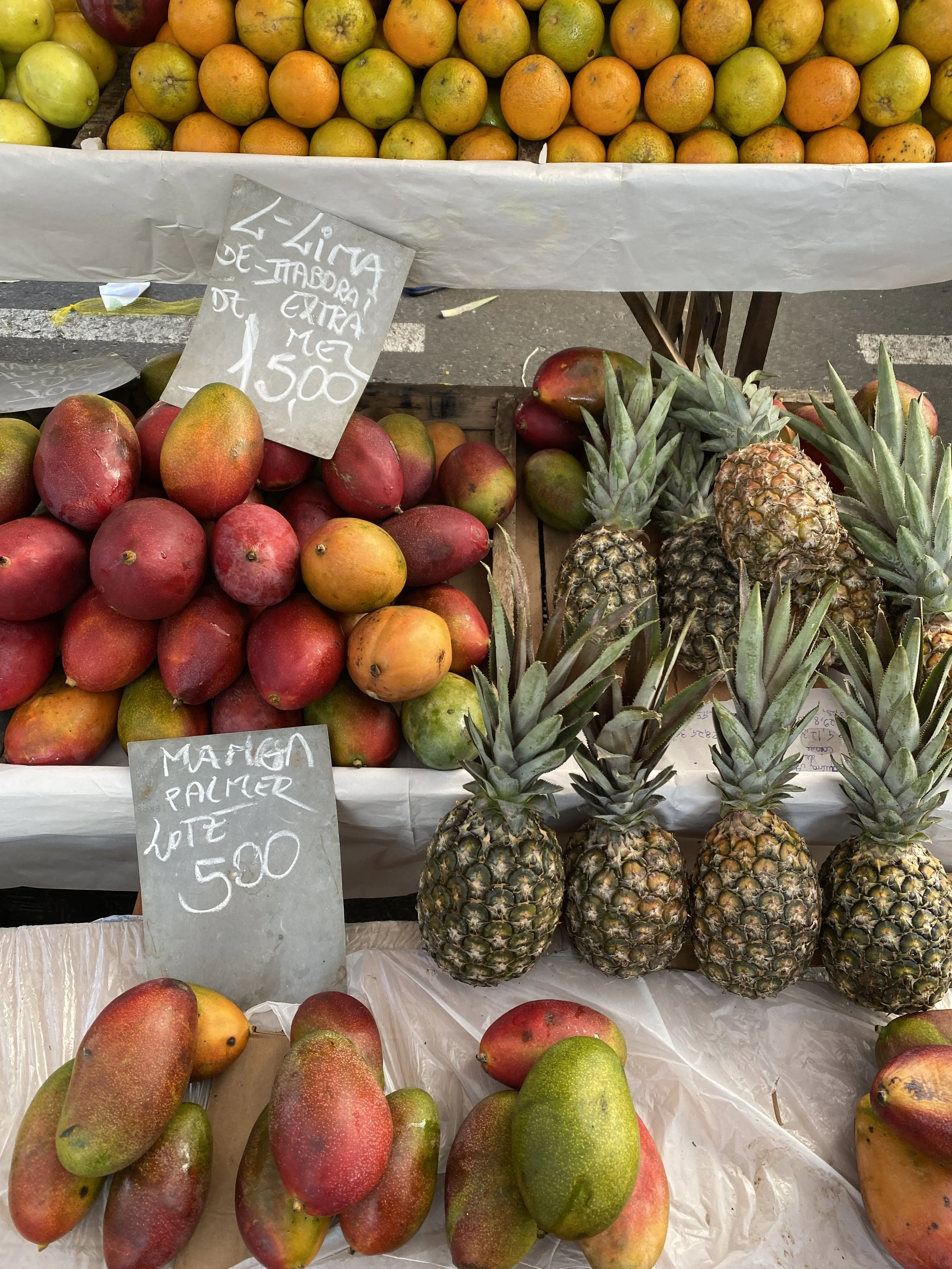
On Fridays, don’t miss the farmer’s market at the square ‘Nossa Senhora da Paz’ (📍exact location here), a bustling local farmer’s market in the upscale Ipanema neighbourhood. It’s packed with vibrant fresh fruits, vegetables, and other local goods — perfect for tasting exotic Brazilian fruits, or simply soaking up the neighborhood vibe.
Day 4: Christ the Redeemer & Copacabana
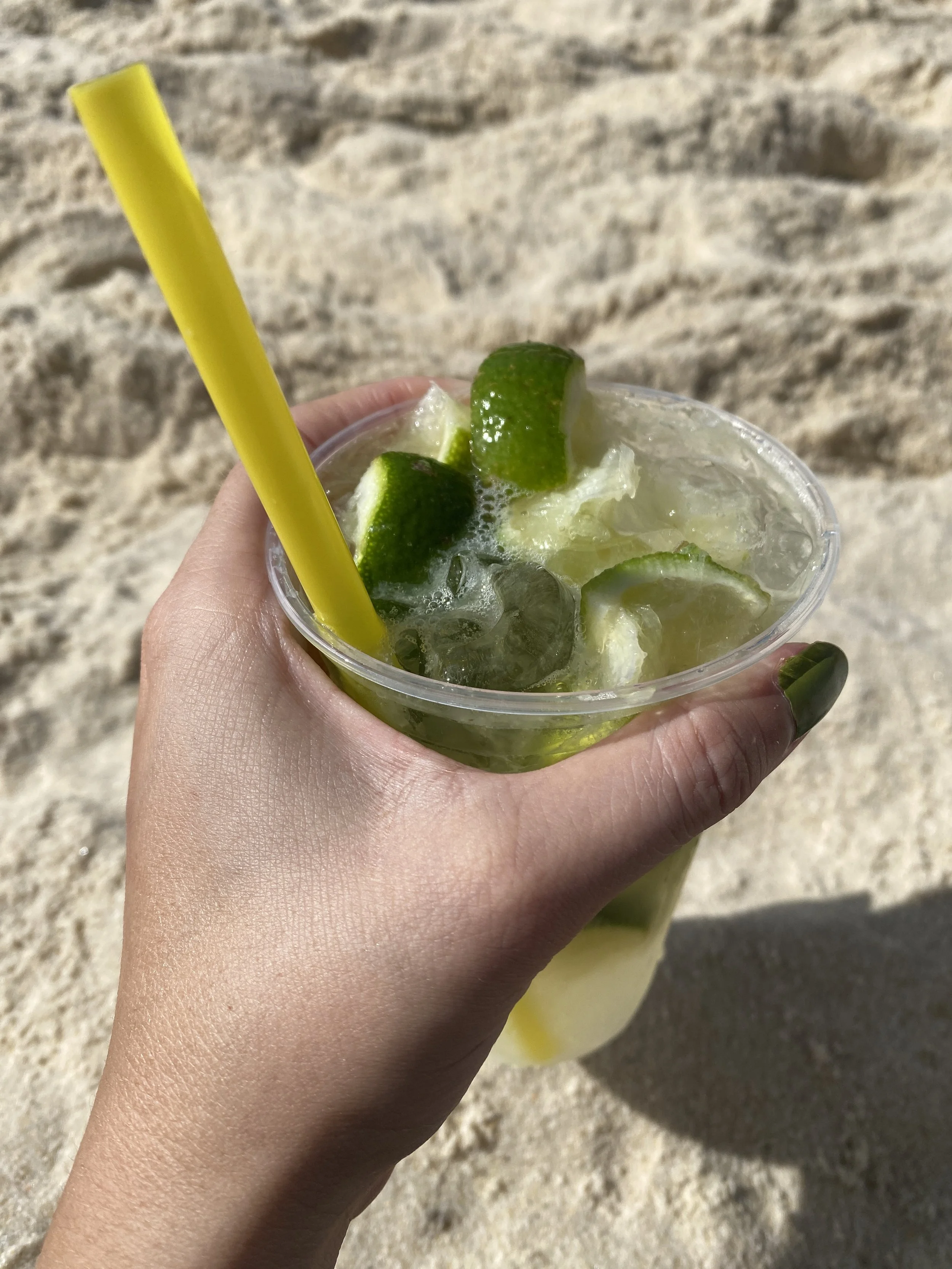
Today, head to the iconic Christ the Redeemer. We recommend going early, either by taking the first train ‘Trem do Corcovado’ at 7:20AM (book here) or by taking an Uber to the official ‘Centro de Visitantes Paineiras’ and continue to the top by shuttle. While the crowds are large, the panoramic views over the city are absolutely worth it. Afterwards, enjoy a coffee break at Rio Coffee House. Spend the afternoon with a fresh coconut and/or Caipirinha at either Ipanema or Copacabana beach. Samples some delicious Brazilian street food from the great number of beach vendors walking by.
Tip: Stay flexible with your plans and keep an eye on the weather forecast. Christ the Redeemer is often hidden in clouds, so try to visit on a clear, sunny day for the best views.



Day 5: Journey to Ilha Grande – Brazil’s Car-Free Tropical Island Paradise
Today you’ll be heading to Ilha Grande. Depending on where you plan to stay on the island, transport options vary. And it can all feel a bit confusing, especially since many websites are only in Portuguese. The easiest way to book your trip is usually through a tour operator.
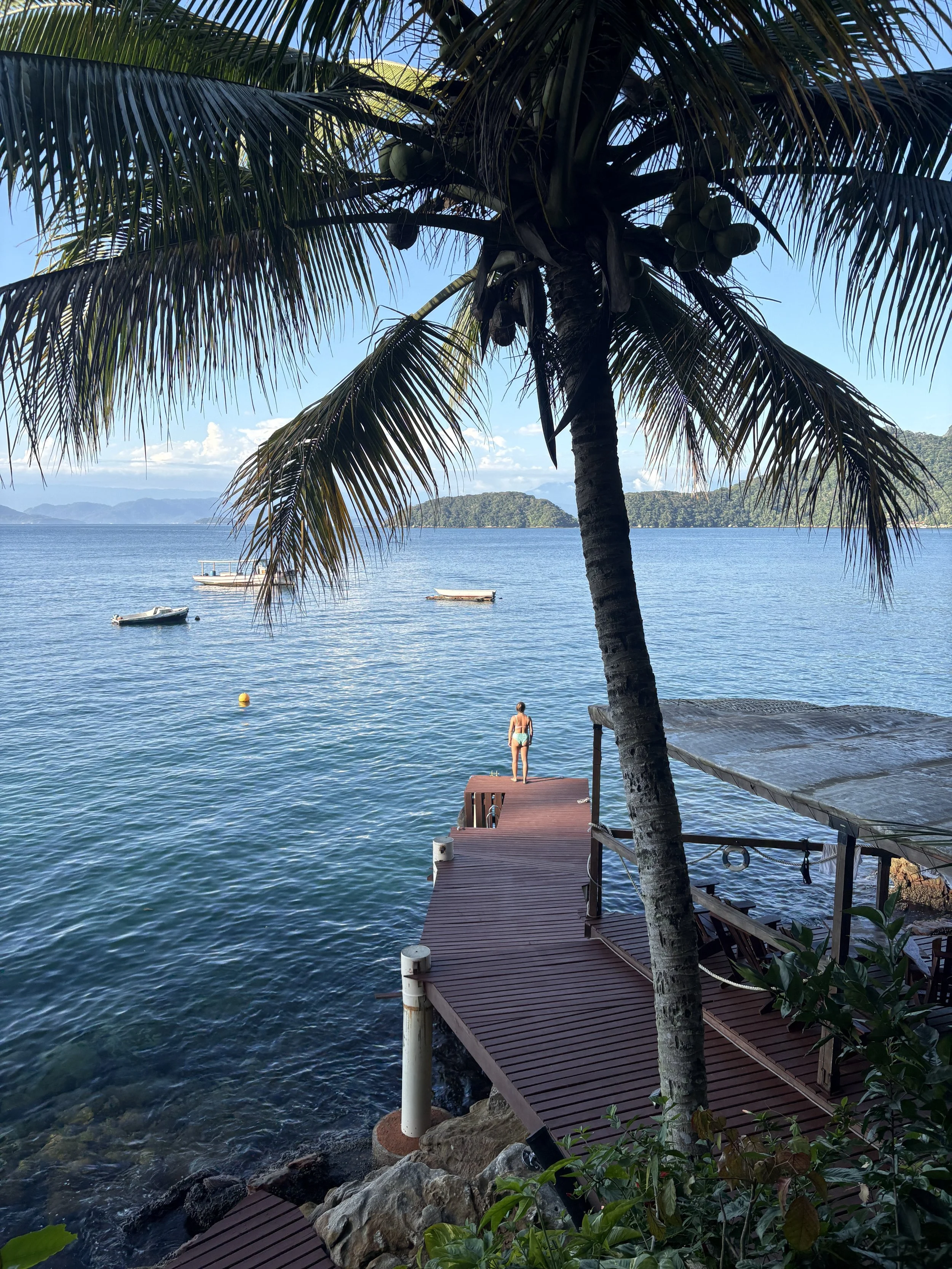
We stayed on the quieter, less developed side of the island near Araçatiba, and we would highly recommend this area if you’re looking for a truly peaceful island getaway. The downside is that fewer speedboats depart for this side each day, so planning ahead is important.
We organised our transfer through Top Transfer via WhatsApp, who speak English and made the process very easy. Our journey included a shared minibus ride to the harbor in Angra dos Reis (with one stop along the way) followed by a speedboat ferry directly to our bed & breakfast, Pousada Saracura, in Araçatiba. Just note that the drivers themselves don’t speak English, but it was no problem thanks to Google Translate.
Once you arrive on the island, settle into your accommodation and explore the area. Enjoy a casual dinner with fresh seafood in the evening.
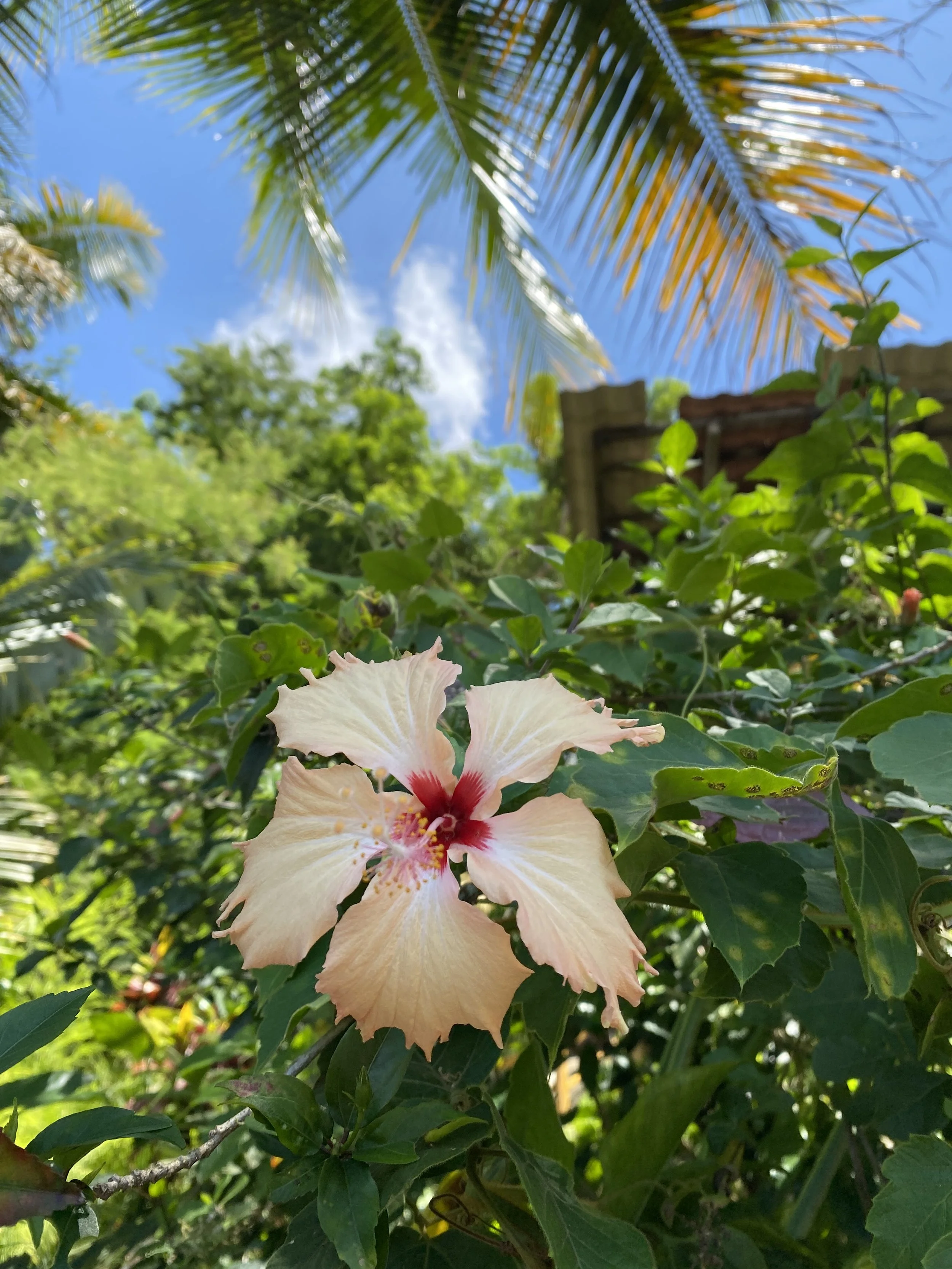
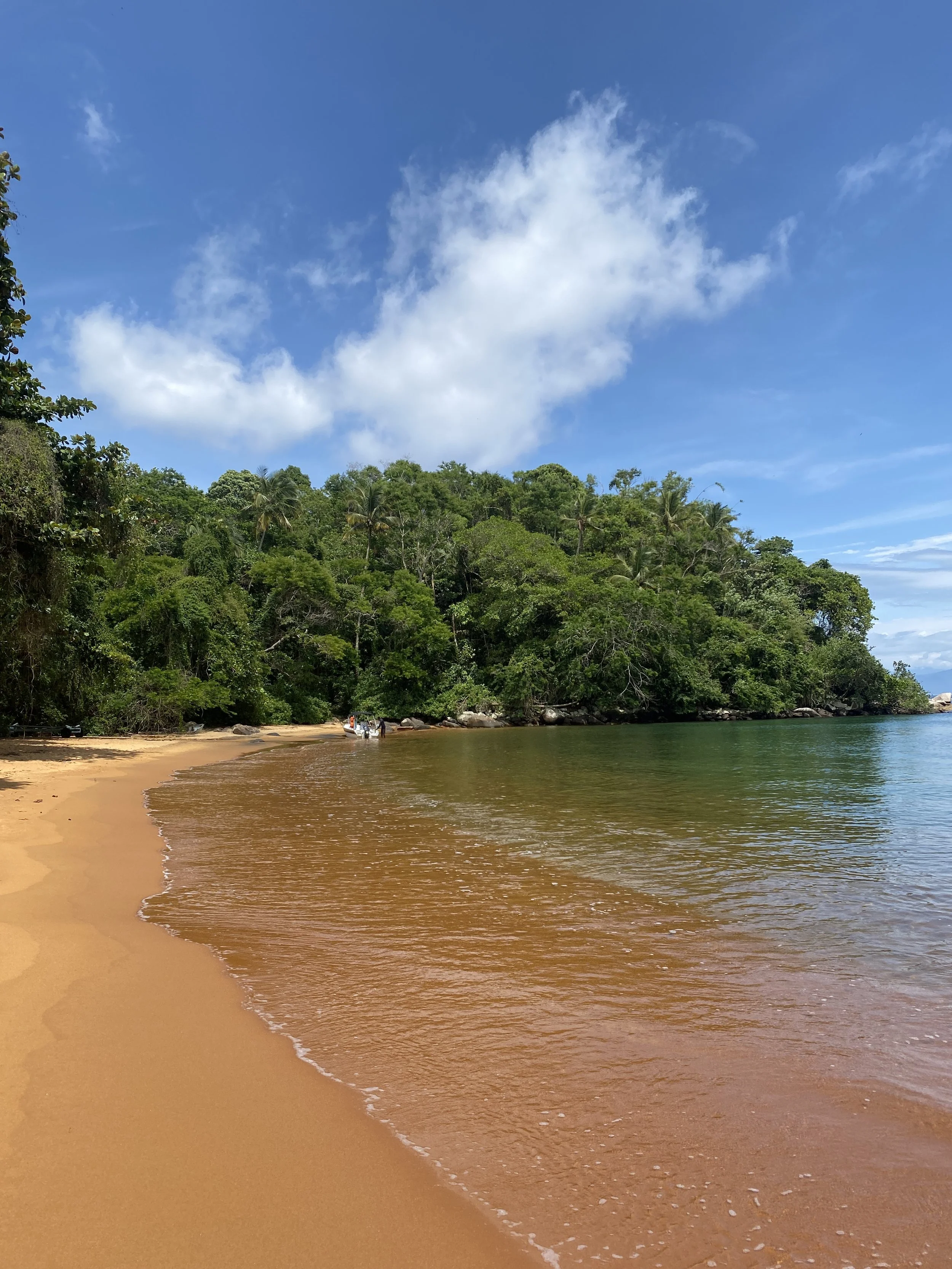
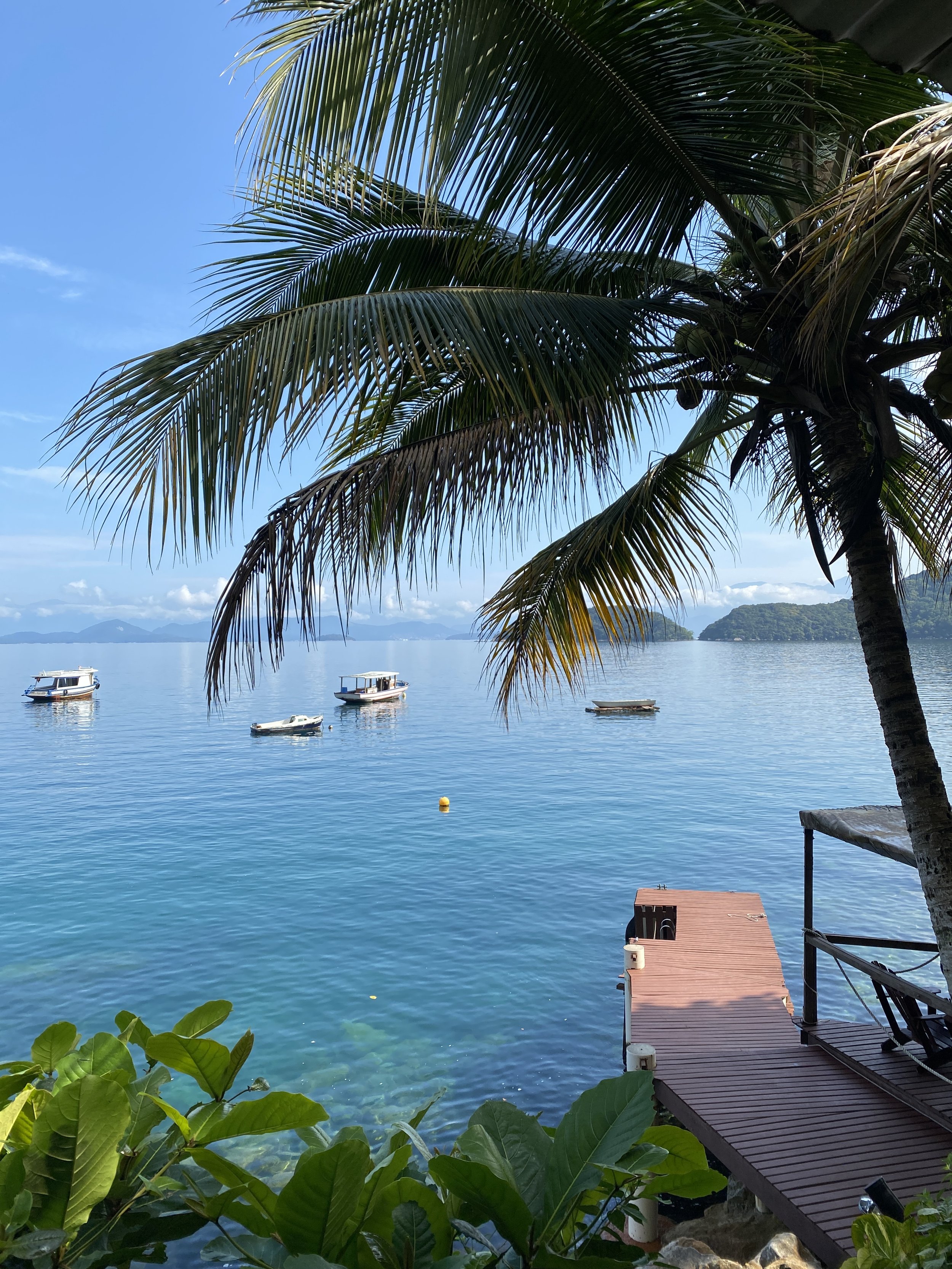
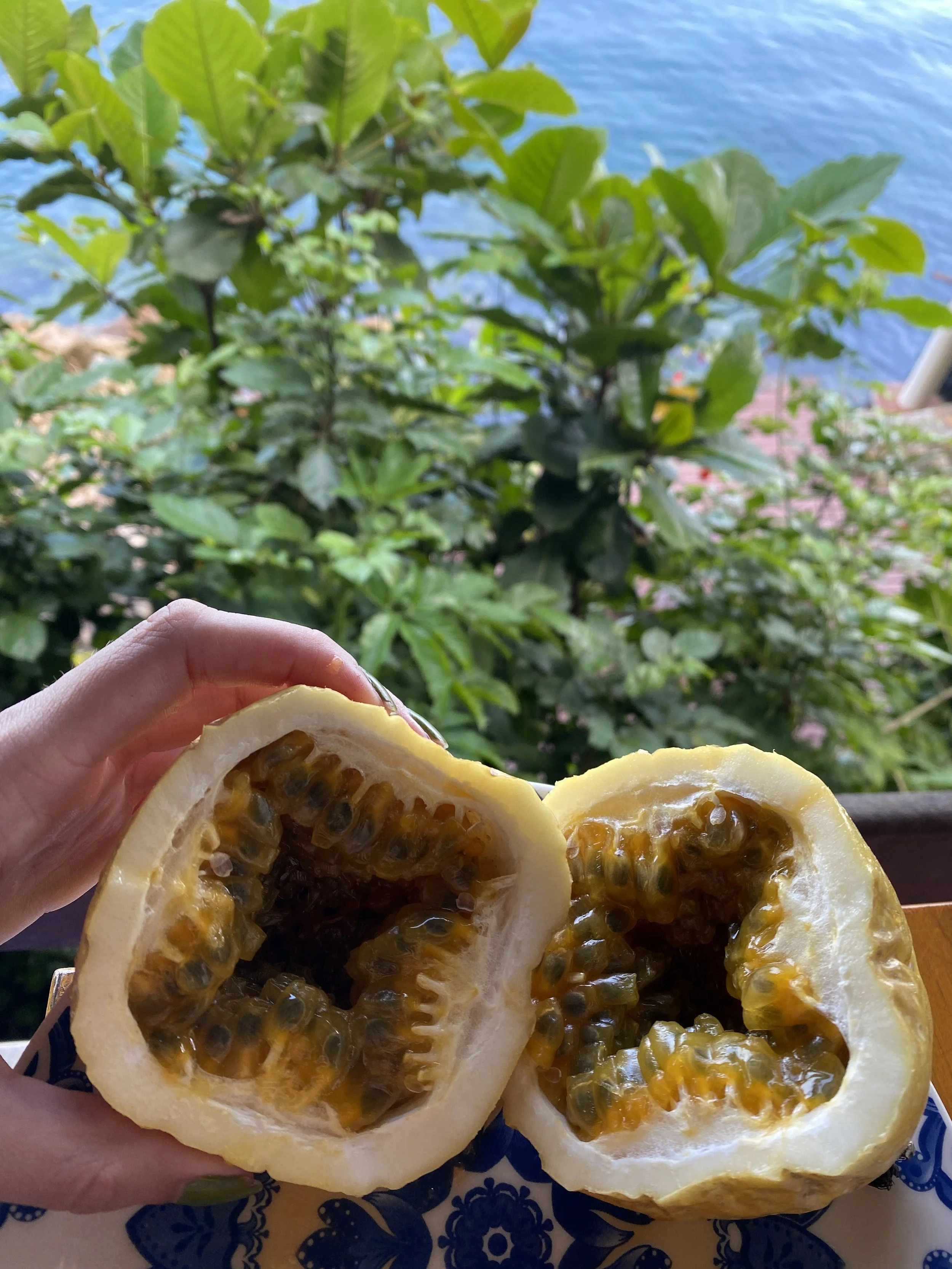
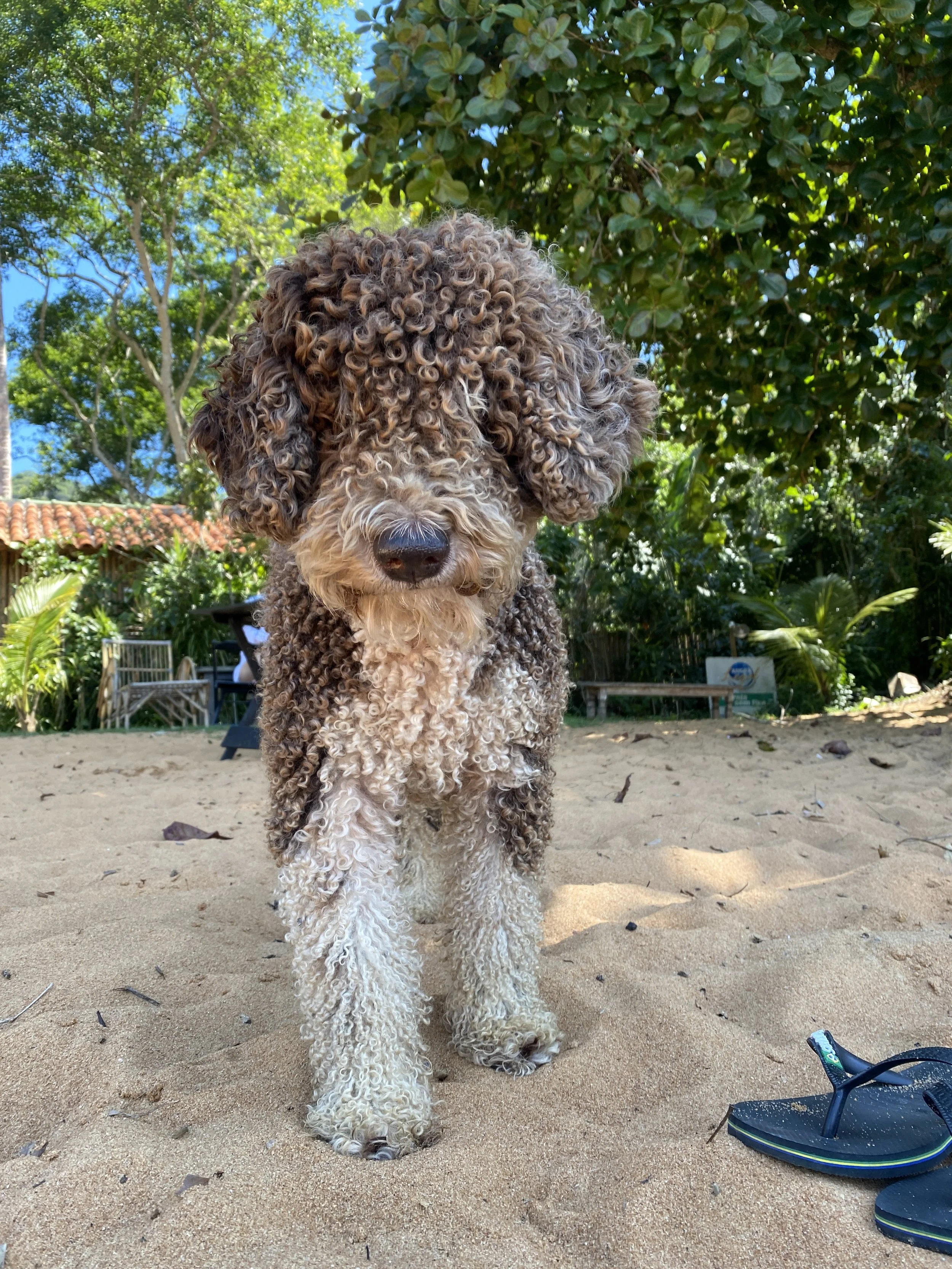
Day 6: Beach Time
Relax at the neighbouring Praia de Araçatibinha, a stunning little beach with a picturesque combination of gentle waves and shady trees. You can enjoy the convenience of a small restaurant ‘Bar do Pedro’, offering delicious lunch options and refreshing drinks.
Day 7: Boat Tour to Praia de Lopes Mendes
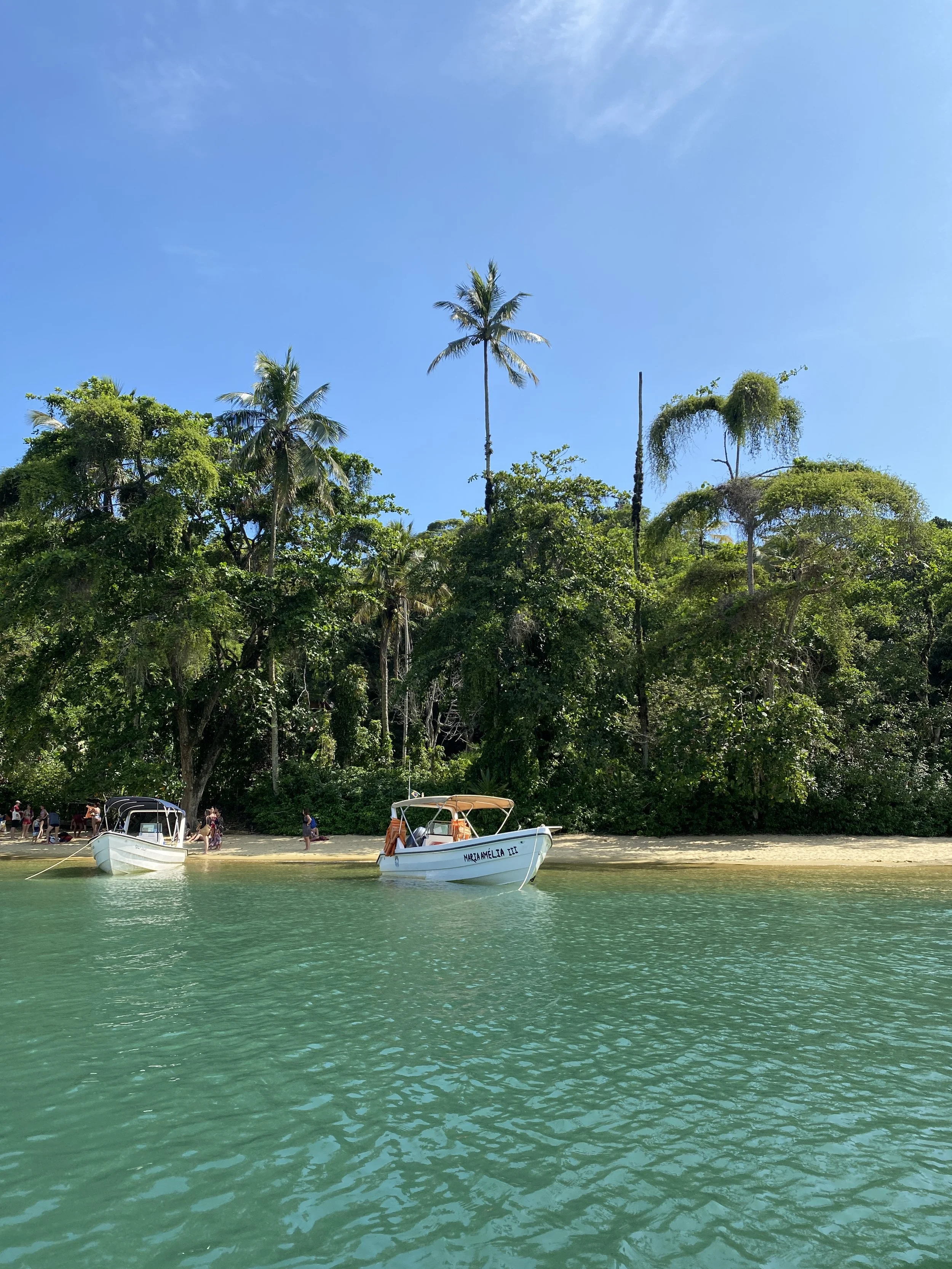
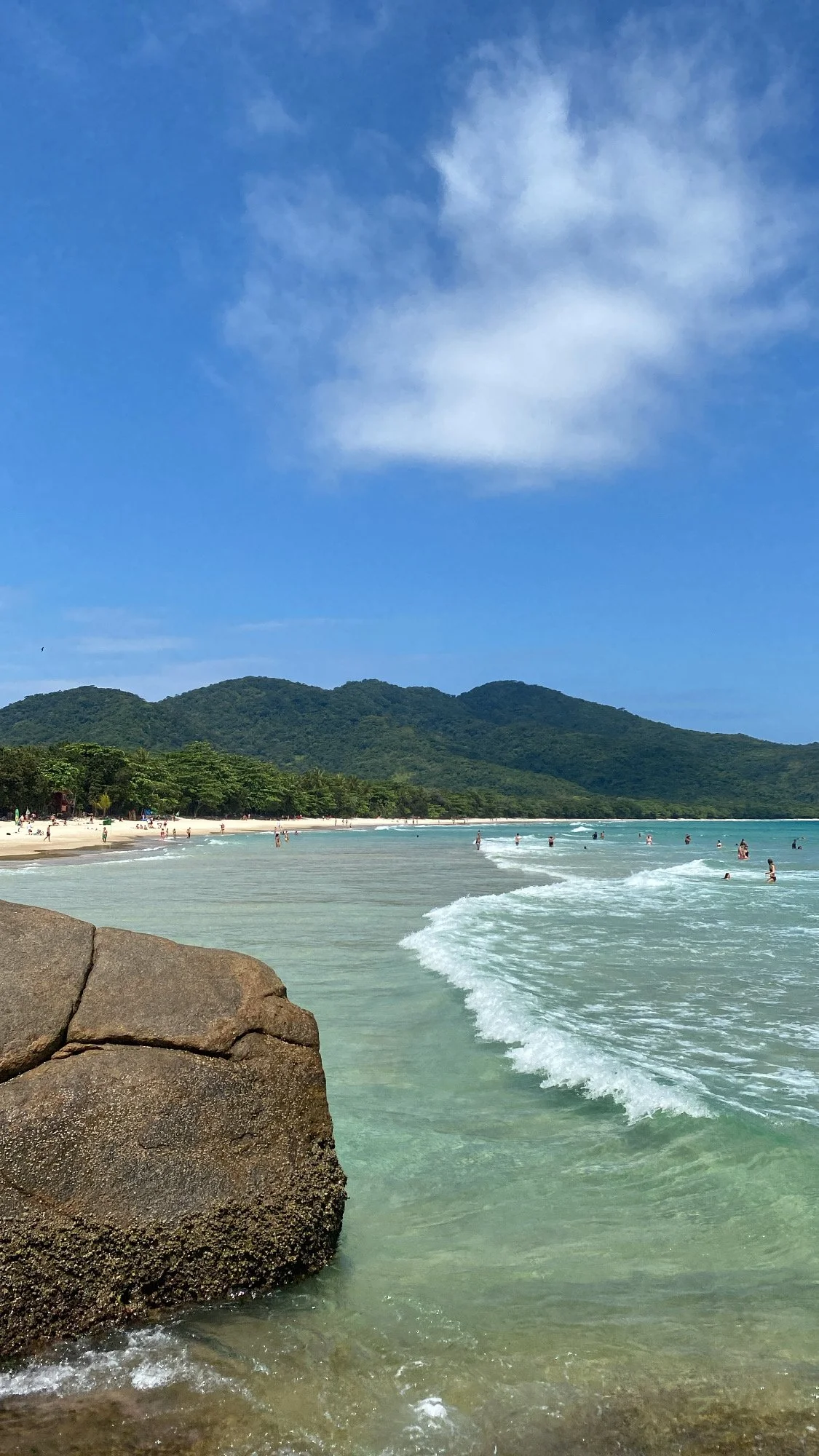
Take a boat trip around Ilha Grande, including a visit to Praia de Lopes Mendes, one of Brazil’s most famous and beautiful beaches. But as no boats go directly to Lopes Mendes, you’ll be dropped off at Praia do Pouso and follow a short, self-guided trail of about 25 minutes to reach the beach. The path is well-marked, though it includes some uphill and downhill sections, making the hike a fun little adventure. Once you arrive, you’ll be greeted by a long stretch of soft white sand, turquoise waters, and the perfect spot to relax and swim.
Tip: Most Pousadas (Bed & Breakfast’s) on the island can help you book different boat tours tailored to your preferences, stopping at various beaches and swimming spots along the way to create your ideal day on the water.
Day 8: Hike to Lagoa Verde
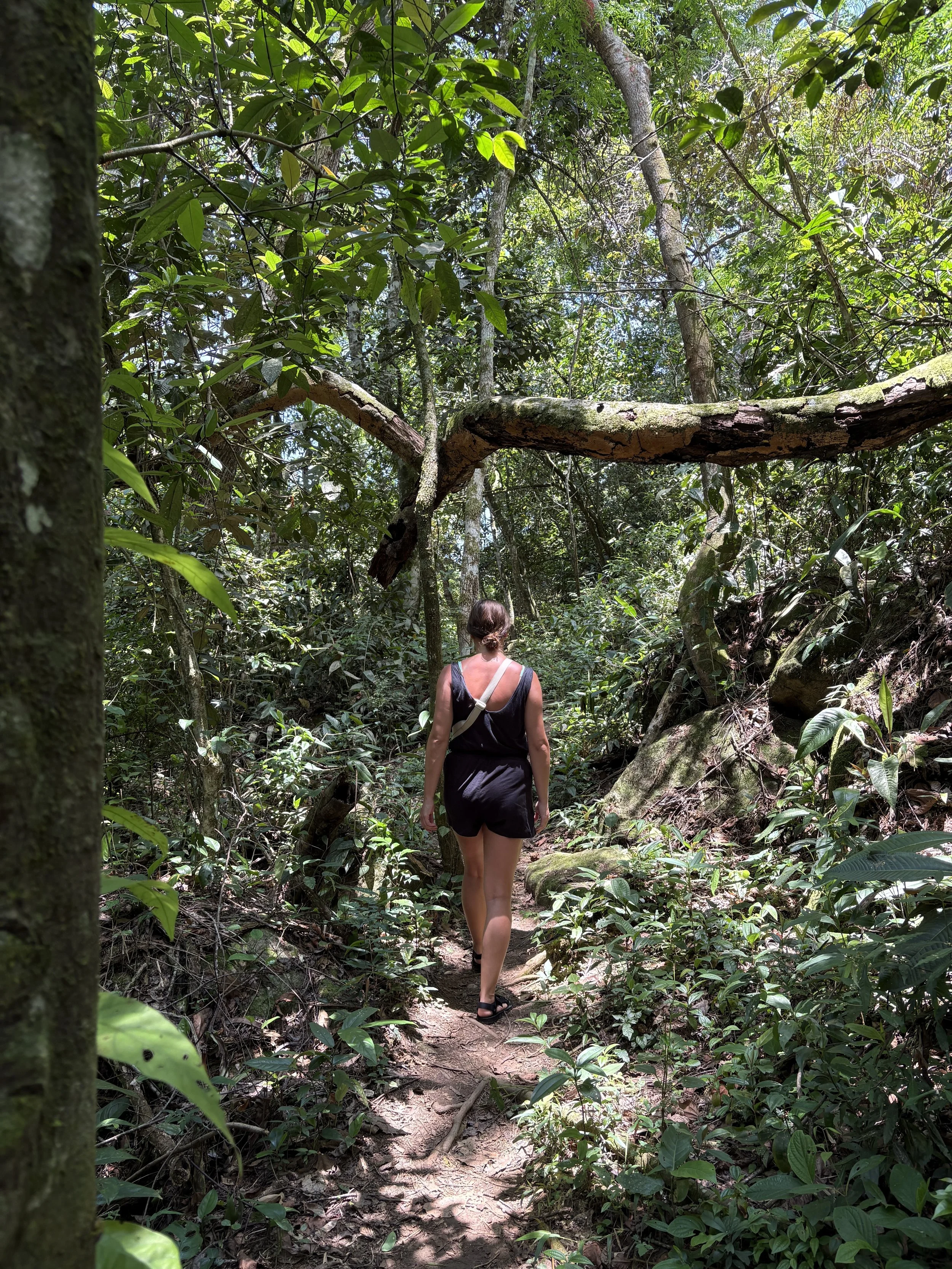
Today, spend the day at Lagoa Verde (Green Lagoon). Its name comes from the fact that it’s one of the only places on the planet where greenish corals can be found. It’s the perfect spot for snorkeling and swimming with colorful fish — and if you’re lucky, like we were, you might even be able to swim with sea turtles. The hike starts from Praia de Araçatiba, marked trails lead through the lush rainforest to Lagoa Verde. The hike is relatively short, about 1 to 1.5 hours one way, and offers a beautiful walk through the island’s stunning natural scenery.

Day 9: Beach Time and/or Rainforest Hike
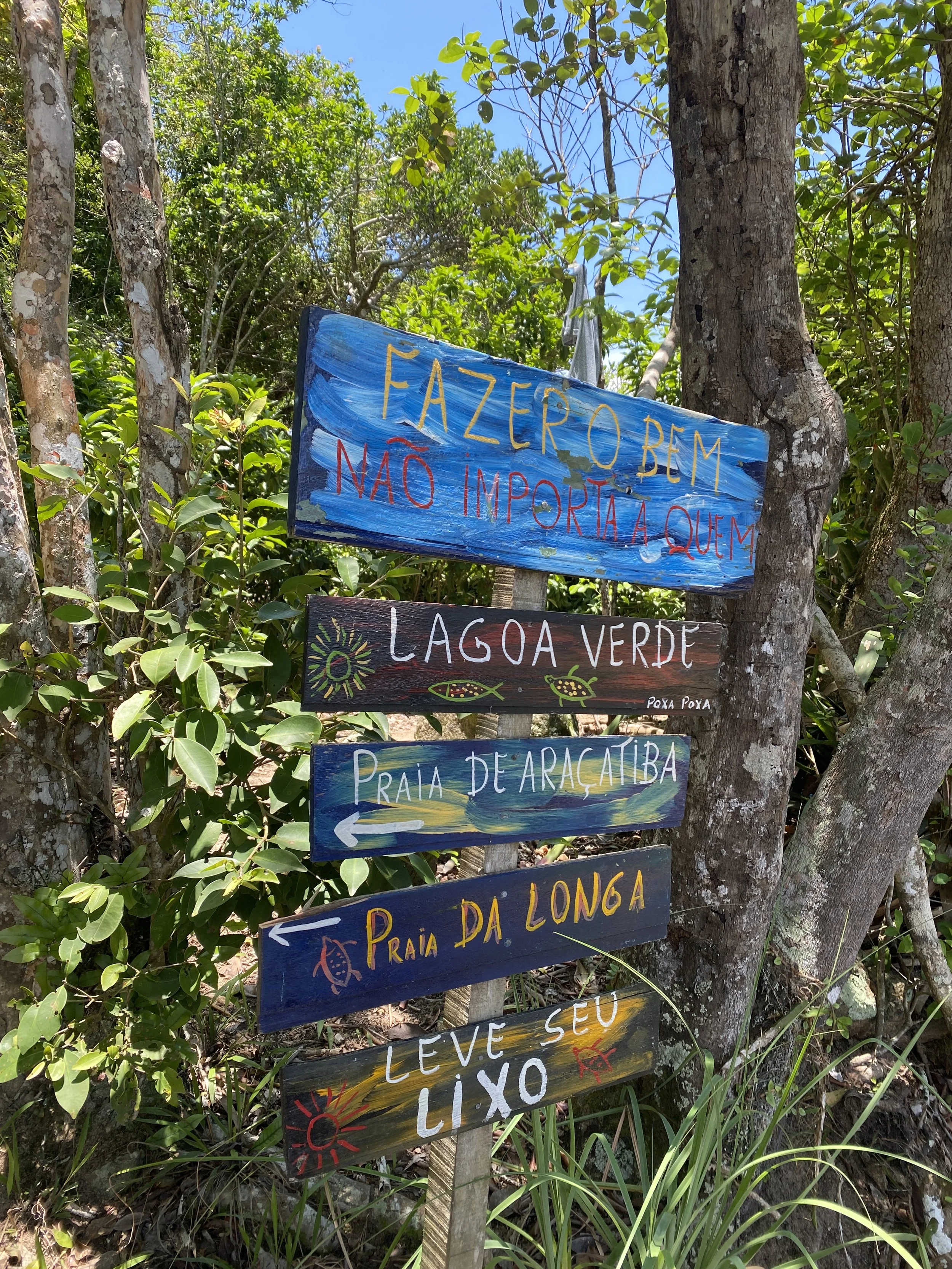
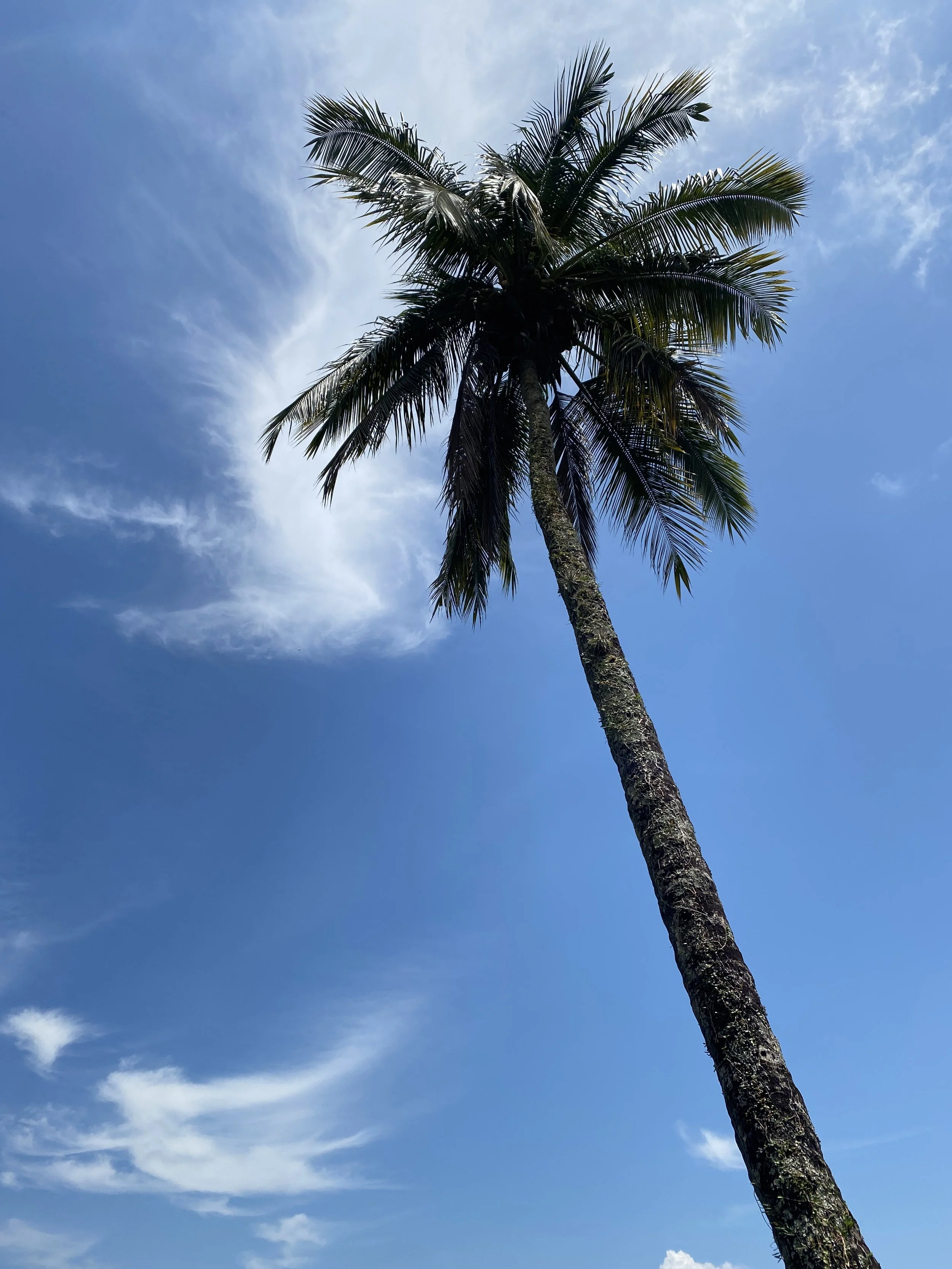
As this is your last full day, relax at the nearby beaches again or go on another rainforest walk. We walked to Praia Vermelha, which was an easy hike. It might be worth bringing your snorkel, as lots of dive centres are located here.
Day 10: Back to Rio de Janeiro - Santa Teresa
Today you’ll sadly leave paradise and head back to Rio de Janeiro. Our transfer was smoothly organised again through Top Transfer, making the journey hassle-free. In Rio, we were dropped off in the neighbourhood Glória, as the service doesn’t go directly to Santa Teresa, but from there we took an Uber to our next accommodation.
Santa Teresa
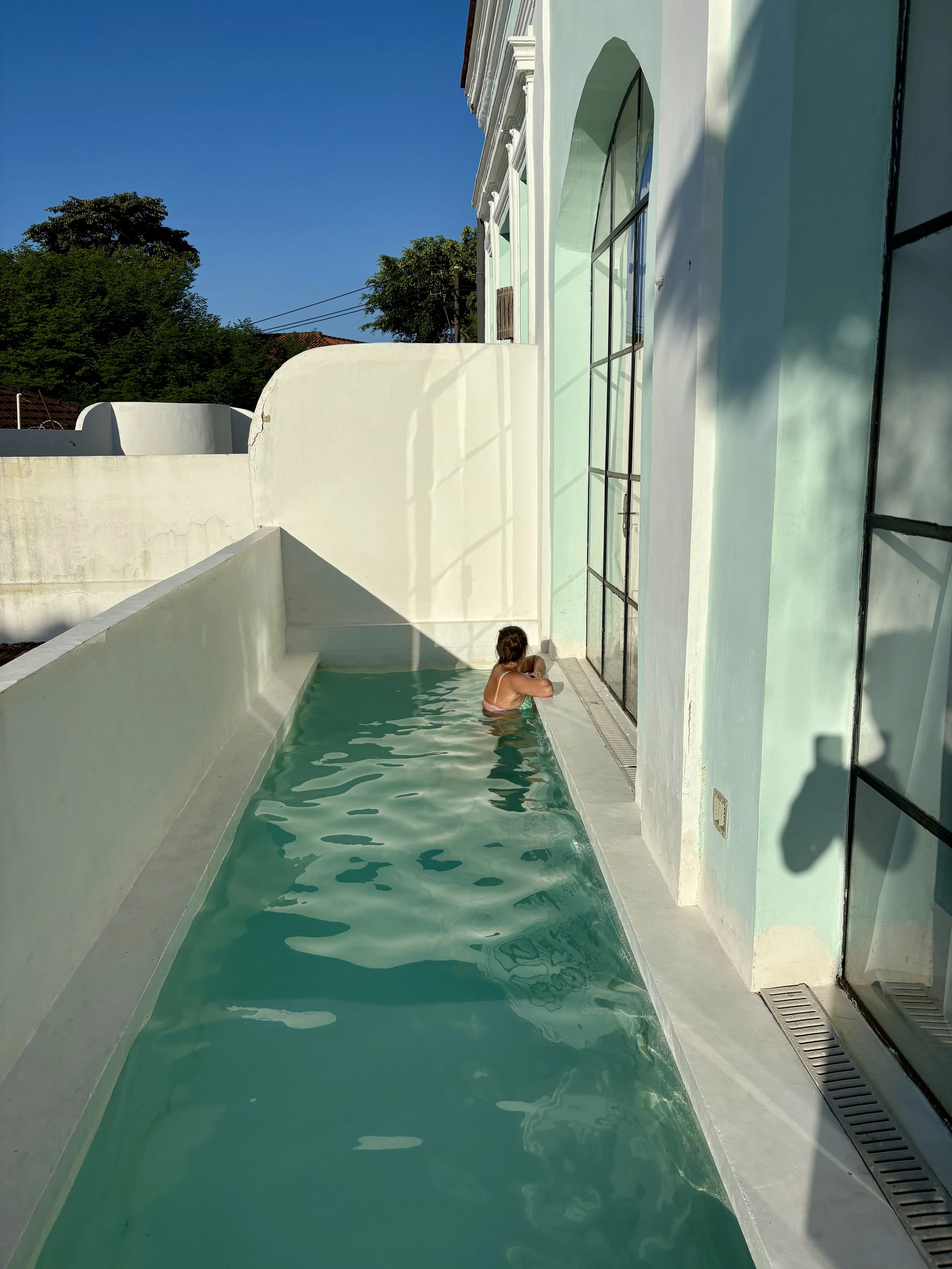
I highly recommend staying in Santa Teresa for its unique, bohemian vibe. We stayed at SAMAMBAIA, which features a beautifully designed interior, stunning views of Christ the Redeemer, and a refreshing pool to cool off after a day of travel or exploring Rio.
Day 11: Santa Teresa
Spend today exploring Santa Teresa, one of Rio’s most charming and atmospheric neighbourhoods, known for its street art, leafy streets, and cool little independent shops. Make sure to stop by La Vereda for beautiful ceramic mugs and bowls, grab a craft beer from Cerveja do Vitor and check out Esquina de Santa Cafeteria & Pizzaria for a snack or a cold drink in a relaxed setting.
Tip: If you want to ride the famous Santa Teresa tram, you can’t buy tickets on board. You’ll need to purchase them at the main station (📍Estação de Bondes de Santa Teresa), where queues can get quite long, especially for the uphill ride. We bought our tickets there and then caught the tram closer to our accommodation on the way down, which saved us time waiting.
Day 12: Sugar Loaf Mountain
Continue exploring Santa Teresa at a relaxed pace in the morning. Stop by Parque das Ruínas, which offers beautiful views over the city. In the afternoon, head to Sugarloaf Mountain for an incredible sunset. Be sure to arrive early enough to fully enjoy the experience: There’s plenty to explore along the way, and it’s worth taking your time as you ride the cable car up, wander around the viewpoints, and maybe even enjoy a cocktail with one of the best views in Rio.
Tip: Try not to leave it too late to get to Sugarloaf Mountain, as it gets increasingly crowded closer to sunset, and remember that reaching the very top involves taking two separate cable cars, which also takes time.
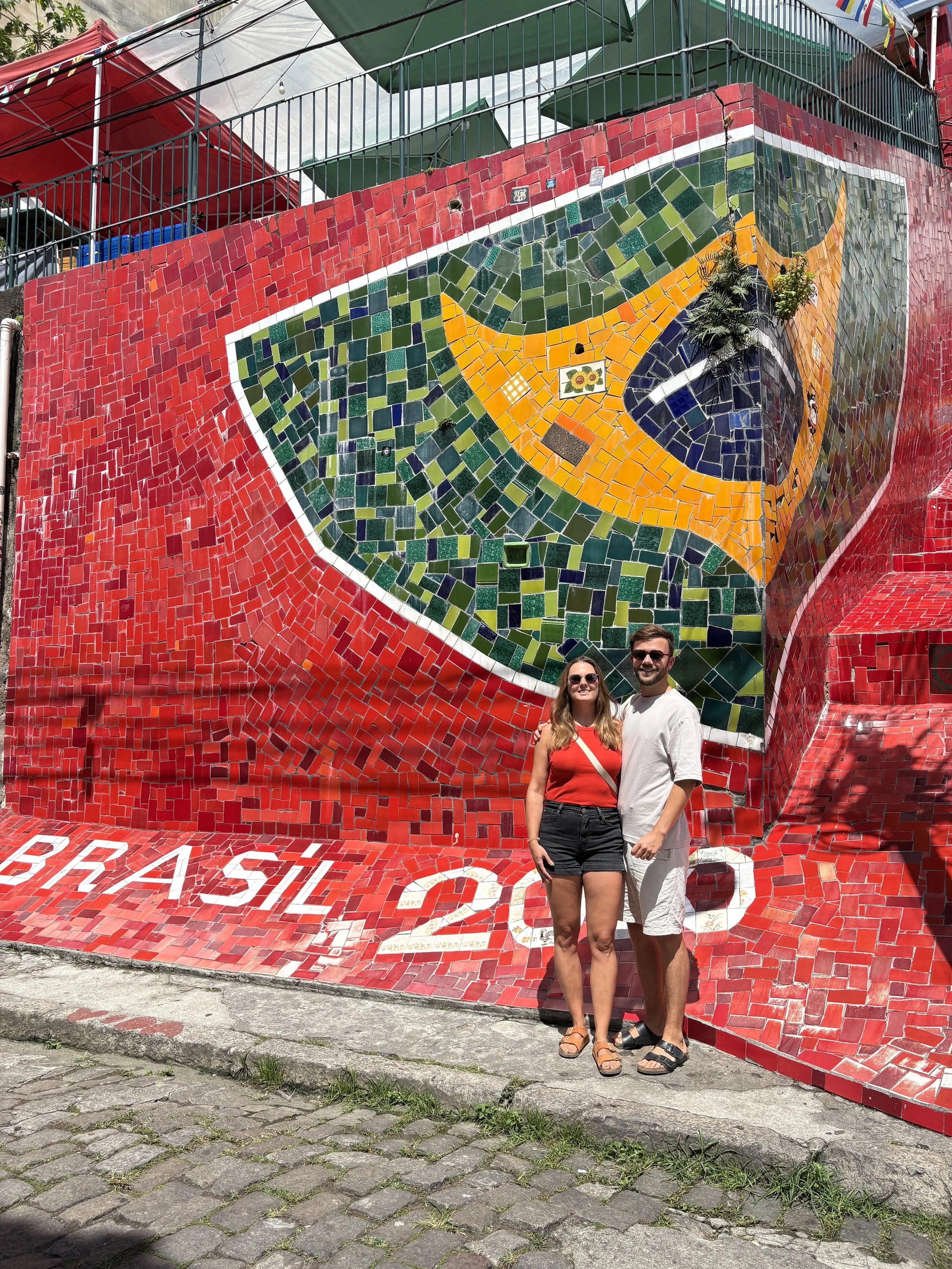
Day 13: Selarón Steps
Start your day early with a visit to the colourful Selarón Steps. It’s one of Rio’s most photographed spots, so arriving early helps you beat the crowds and large tour groups. Make sure to go to the very top, as it’s way less busy than at the bottom of the stairs.
If you happen to be in Rio on a Sunday, head over to nearby Feira Livre da Glória, a large and lively market selling food, clothes, and crafts from 7AM to 4PM — a great place to soak up local life and try different fruits and snacks. Spend the rest of the day relaxing at Praia do Flamengo, a local beach that’s perfect for a more low-key, laid-back afternoon by the water.
Spend your last evening having a fantastic meal at Aprazível.This family-run restaurant is located in the hills in Santa Teresa. Recommended by Michelin Guide, it was the best restaurant that we went to in Rio. You get typical, but elevated Brazilian food. Reserve a table to be on the safe side.
Day 14: Departure
It’s time to pack your bags and say goodbye to Brazil — at least for now. From Rio’s iconic beaches and Christ the Redeemer to Ilha Grande’s peaceful trails and turquoise waters, these two weeks offer the perfect mix of city energy, island serenity, and unforgettable experiences. Until next time, Brazil!
Restaurants, Cafés & Bars in Rio de Janeiro
What to eat in Ipanema, Copacabana and Botafogo:
Coffee, breakfast and lunch
Dinner
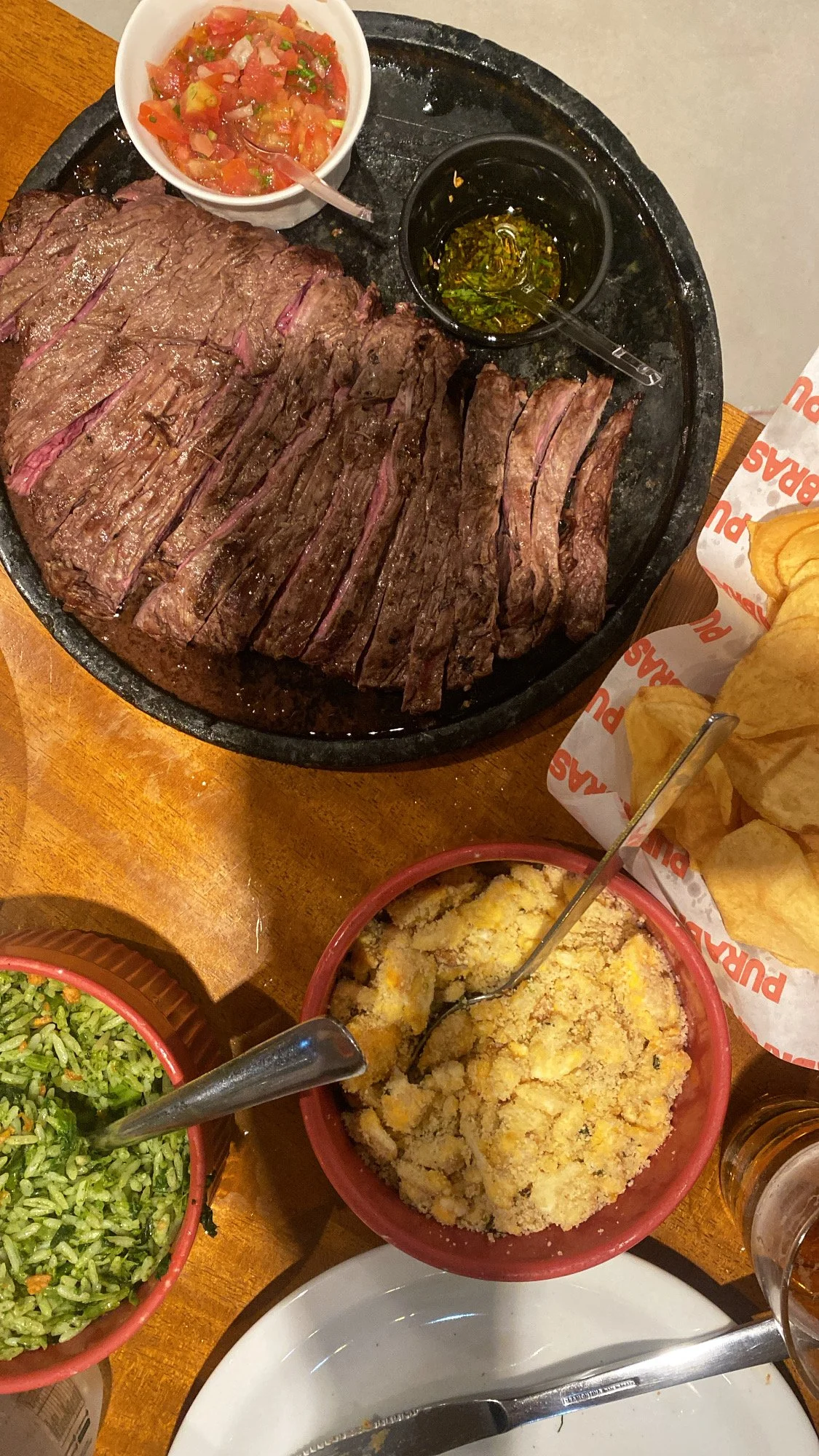
Fogo de Chão — The place to have a real, all-you-can-eat “churrasco” experience.
Bars
What to eat in Santa Teresa, Glória and Flamengo:
Coffee, breakfast and lunch
mimo café — Independent coffee shop with delicious coffee.
Tacacá do Norte — Authentic Açaí bowls.
Cheirin Bão Passeio Corporate — Try the Pão de Queijo, where they grill the cheese with a torch in front of you.
Confeitaria Colombo — An iconic, historical café in the heart of Rio. We didn’t go, but go for the atmosphere rather than amazing food (we were told it’s average).
Dinner
Aprazível — This family-run restaurant is located in the hills in Santa Teresa, and offers breathtaking views. Recommended by Michelin Guide, it was the best restaurant that we went to in Rio. You get typical, but elevated Brazilian food. Reserve a table to be on the safe side.
Zola — Berlin-based Neapolitan pizza restaurant with an outpost in Rio. It’s a great place if you’re getting a bit tired of Brazilian food.
Bar Novooeste - Santa Teresa — Lively burger place in the heart of Santa Teresa.
Labuta Mar — Brazilian restaurant in Gloria that was recommended to us by locals.
What You Need to Know: First-Timer Tips for Brazil
-
While summer is the peak season, visiting in Spring (September to November) or autumn (April to June) provides a balance of good weather and fewer crowds. December to March is summer in Brazil — expect higher temperatures, humidity, and occasional heavy rain, but the beaches and festivals are lively and full of energy.
Keep in mind that major holidays like Carnival (usually February or March) and New Year’s Eve bring huge crowds and higher prices, especially in Rio. If you prefer a more relaxed experience with easier access to attractions and accommodations, plan your trip outside these peak dates.
-
Ubers vs. taxis: Always take Ubers rather than taxis. In neighbourhoods like Santa Teresa, you might need to wait a bit longer for a pick-up.
Public transport: We didn’t use public transport, but if you do, stick to the metro rather than buses.
Boats & transfers to Ilha Grande: Book through a transport provider such as Top Transfer for a smooth journey.
-
With awareness and common-sense precautions, Rio generally feels safer than its reputation. Locals are friendly, and a positive attitude goes a long way.
When to be cautious: Take Ubers at night. Some main streets in Ipanema and Leblon feel walkable at night, but remain aware of your surroundings and avoid flashy jewellery.
What not to carry: Expensive watches, gold jewellery, or other valuables.
Beach safety: Don’t leave belongings unattended at Rio’s crowded beaches. On the contrary, empty, tranquil beaches on Ilha Grande seem safe.
-
Cash vs. cards: Cards are accepted almost everywhere, even for small purchases like a mango at a local market. Bring some cash for Ilha Grande, though many places there also accept cards.
ATMs: There are no ATMs or banks in Araçatiba, Ilha Grande, so plan accordingly.
Tipping etiquette: Standard tipping applies at restaurants and for tours, usually around 10%.
-
English doesn’t get you very far, so basic Portuguese phrases help. Knowing some Spanish is also very useful. We relied heavily on Google Translate, so if you don’t speak fluent Portuguese, make sure to download Portuguese for offline use. Locals are super friendly and welcoming, and we never had any communication issues. A smile and positive attitude go a long way toward bridging language gaps.