
A Guide to Ischia, Italy: Escape the Capri Crowds
If you've read some of my previous travel guides, you’ve probably realised by now that I have a slight obsession with volcanoes. Whether it’s hiking Mount Stromboli, one of the most active volcanoes in the world in Sicily’s Aeolian Islands, exploring Mount Vesuvius above Naples, or embarking on a 3-day, 2-night volcano adventure through East Java, I somehow always end up on volcanic islands or mountains.
So after spending a few days eating my way through Naples (if you haven't already, don't miss my guide to Beyond Pizza: What to Eat in Naples), extending the trip to Ischia felt like the obvious next step.
Just an hour across the Gulf of Naples lies an island that's surprisingly overlooked by most international visitors. While most people hop on the ferry to Capri, Ischia quietly gets on with being... well, it's authentic self.
It's greener. It's bigger. It's more affordable. And instead of designer boutiques, Ischia is famous for something much more appealing after several days of sightseeing: mineral-rich thermal waters bubbling up from deep beneath its volcanic landscape.
So keep reading if soaking in hot springs, eating far too much pasta and pastries and exploring the island by local bus sounds like your vibe.
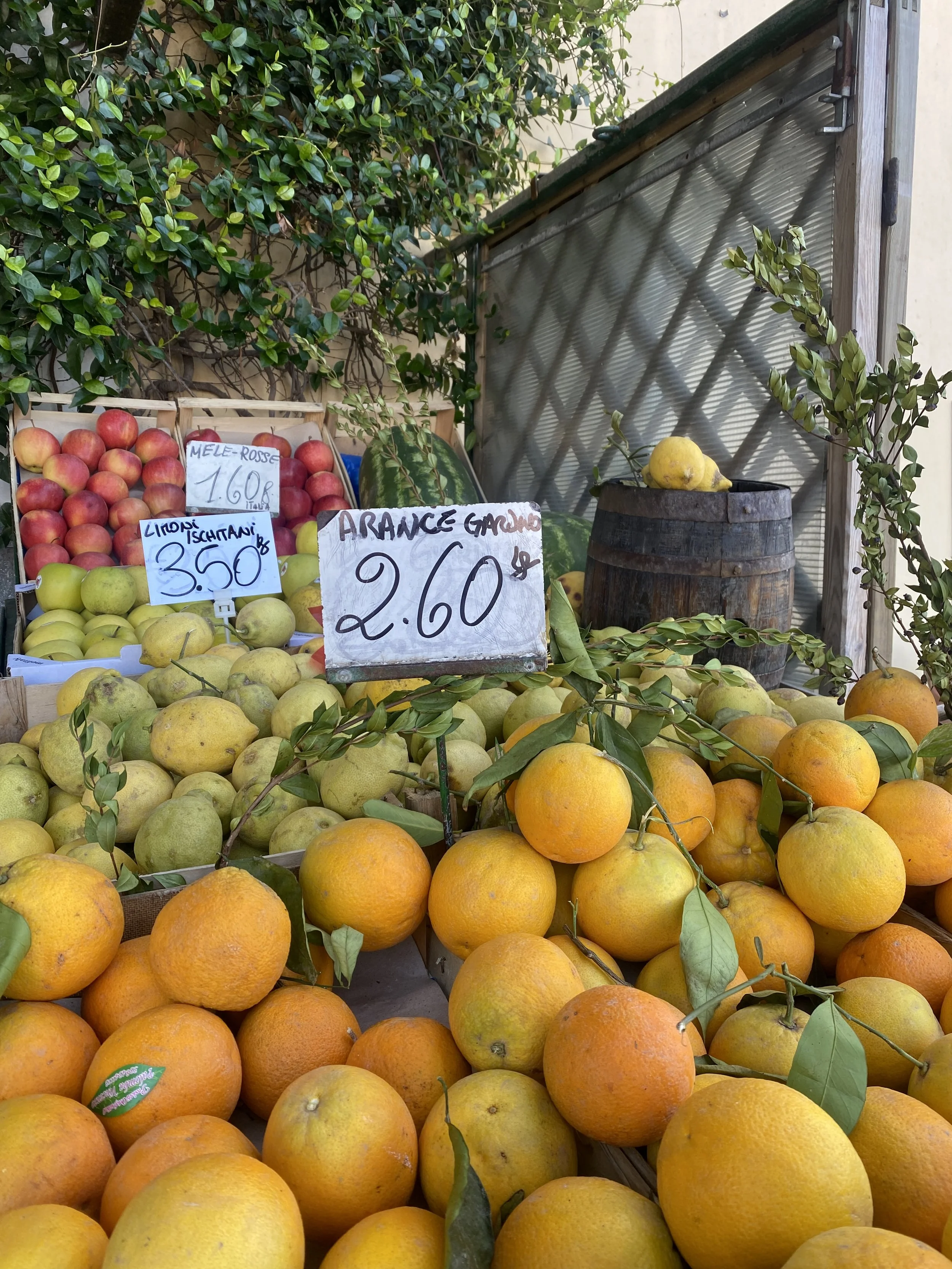
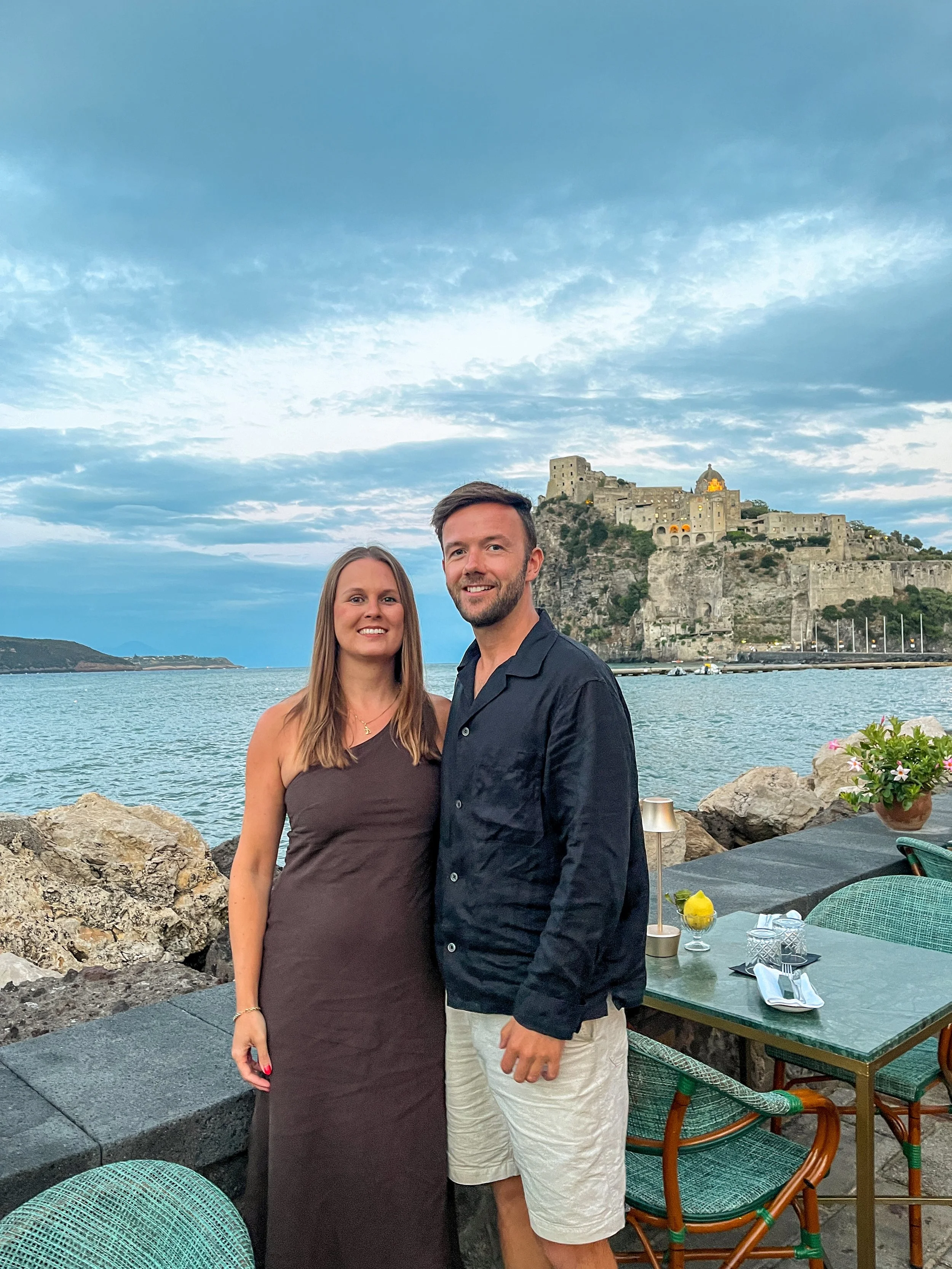
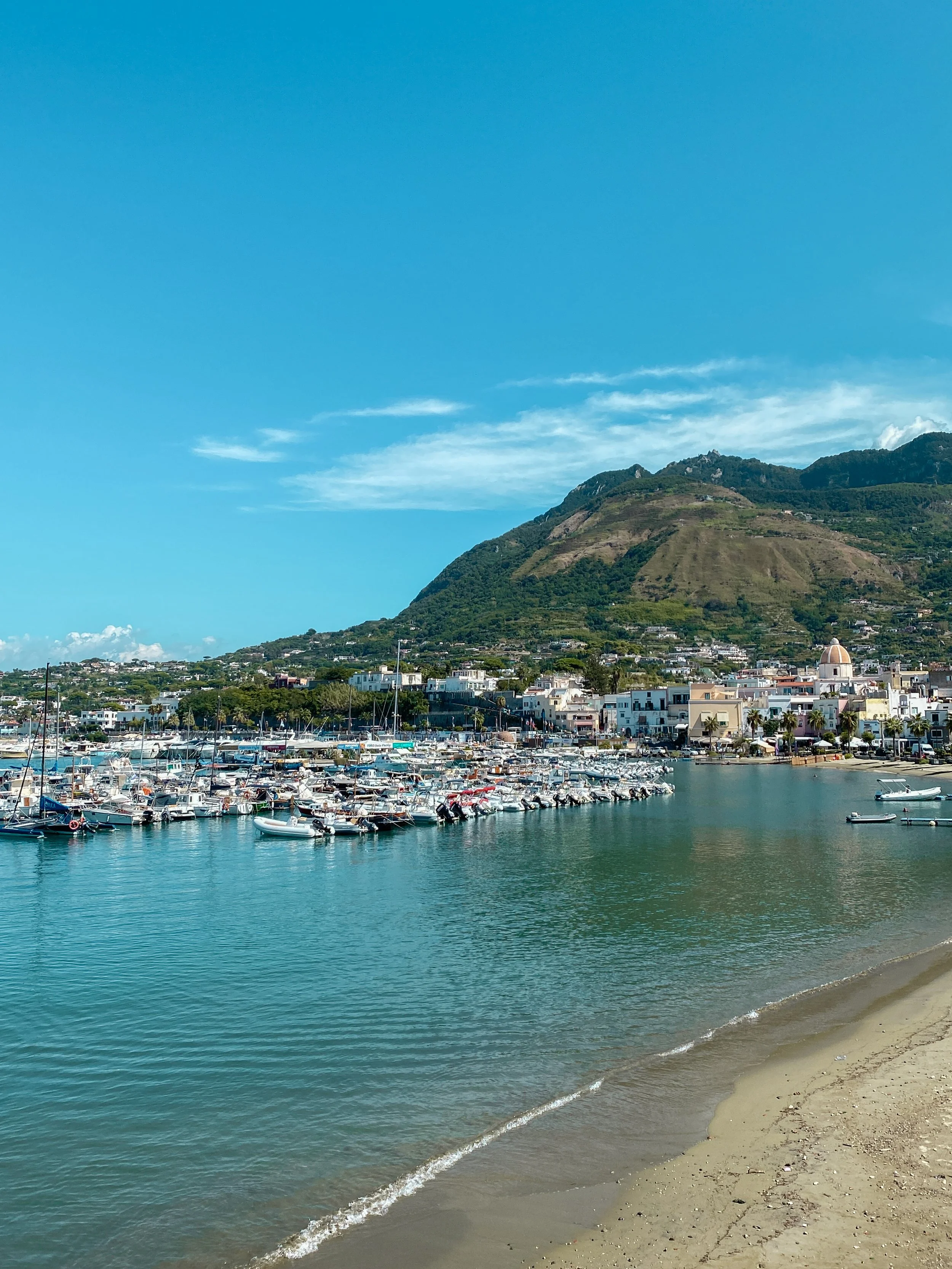
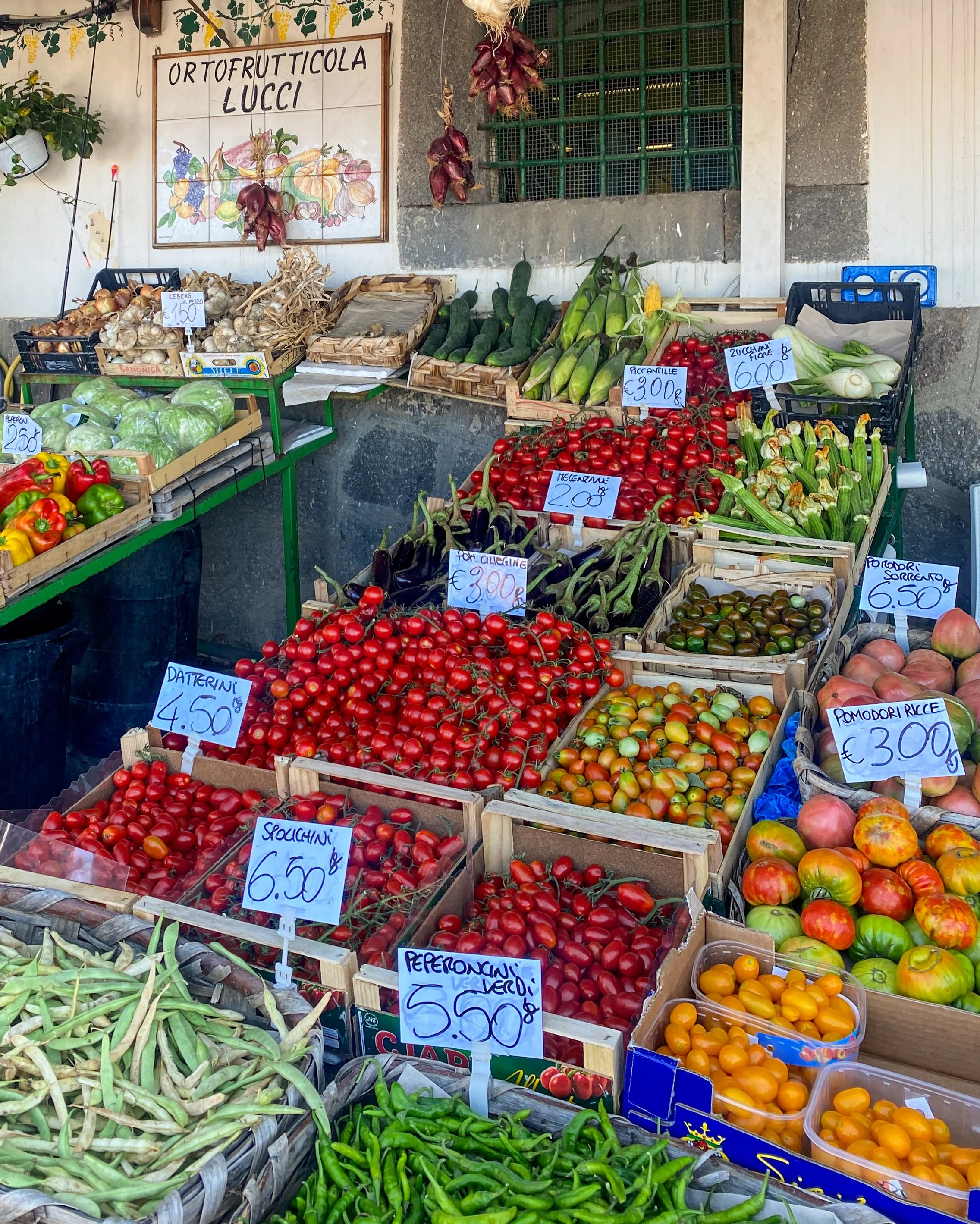
My favourite things to do in Ischia
Spend a day relaxing at Negombo Thermal Park
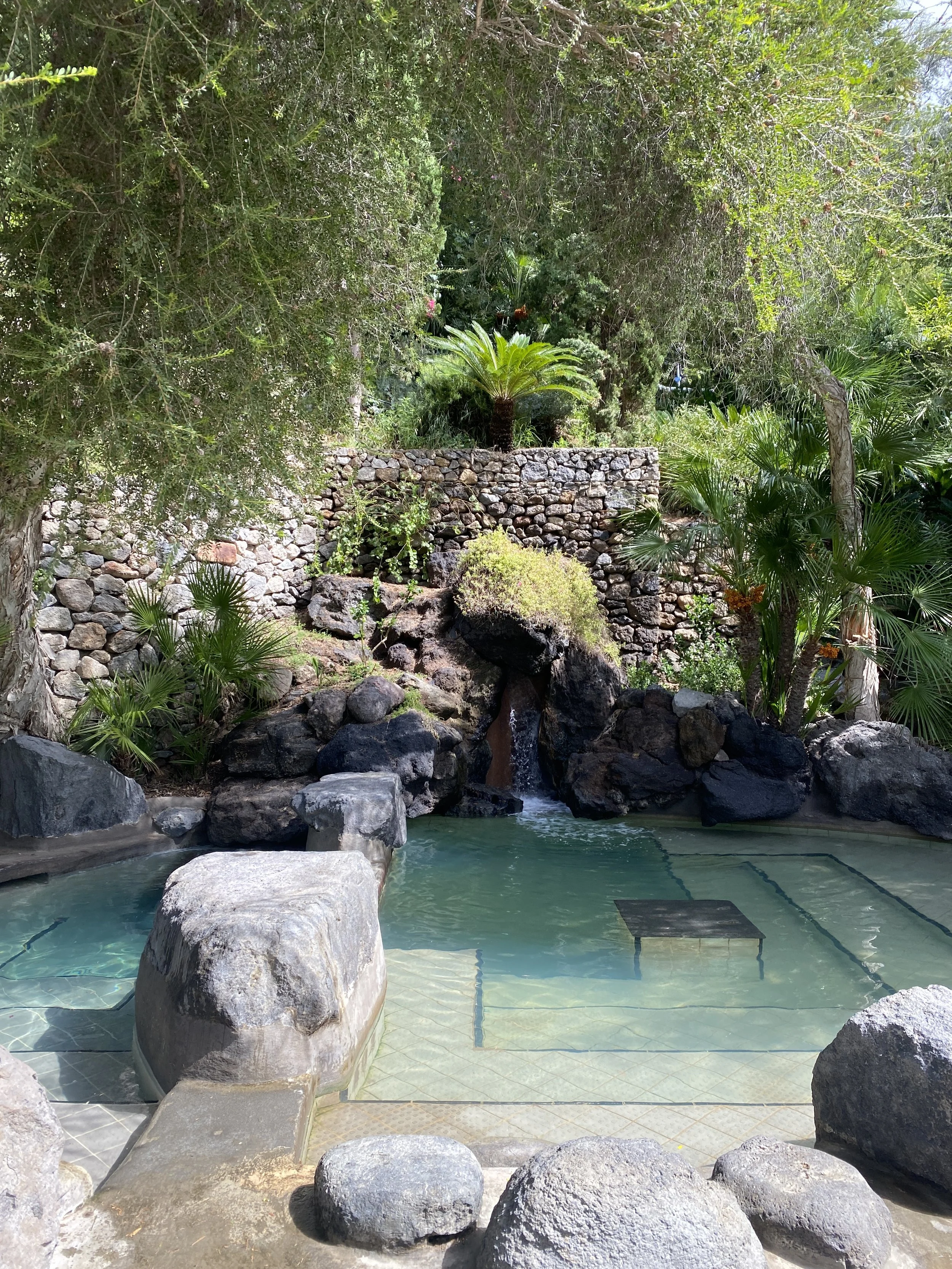
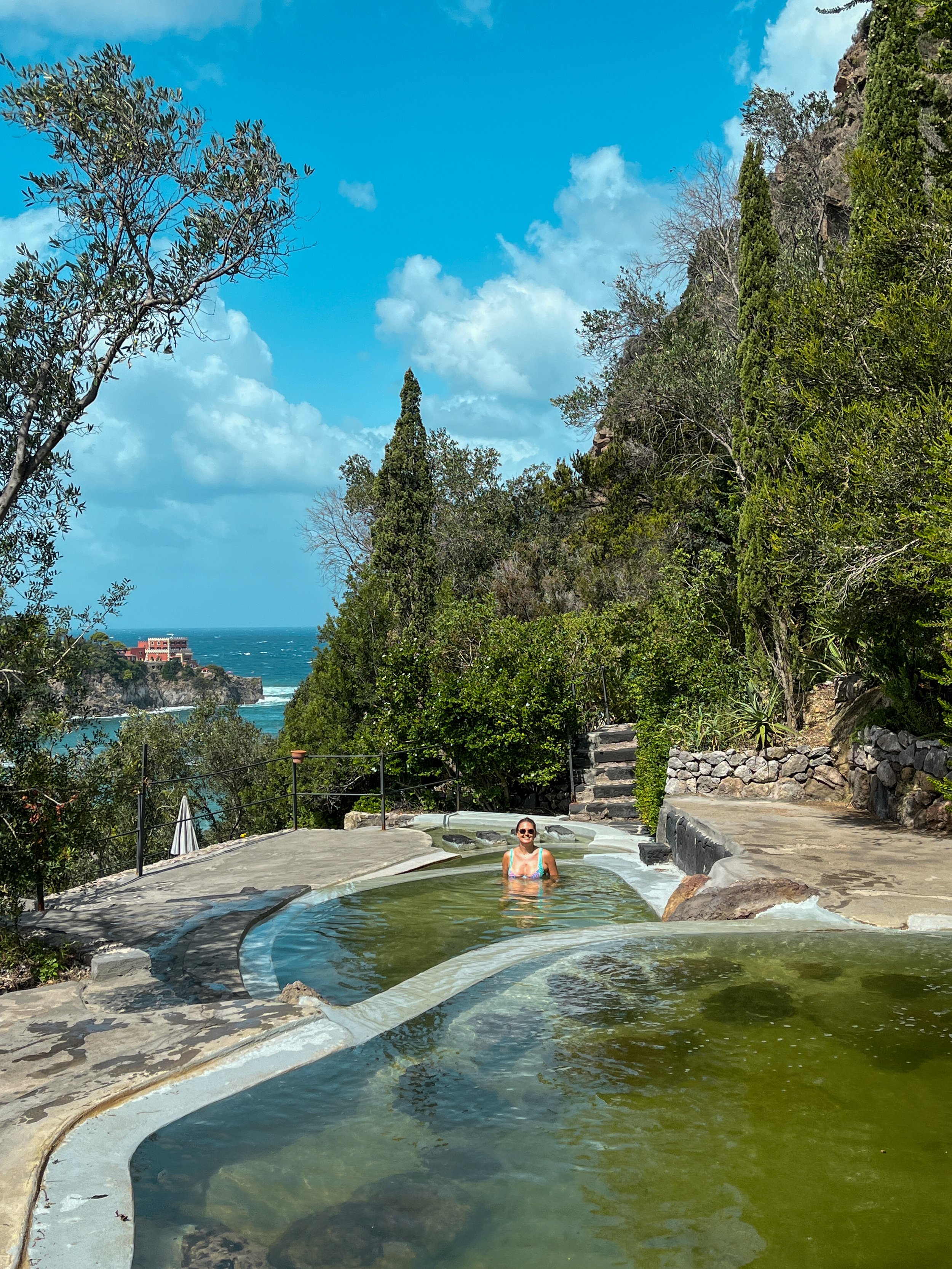
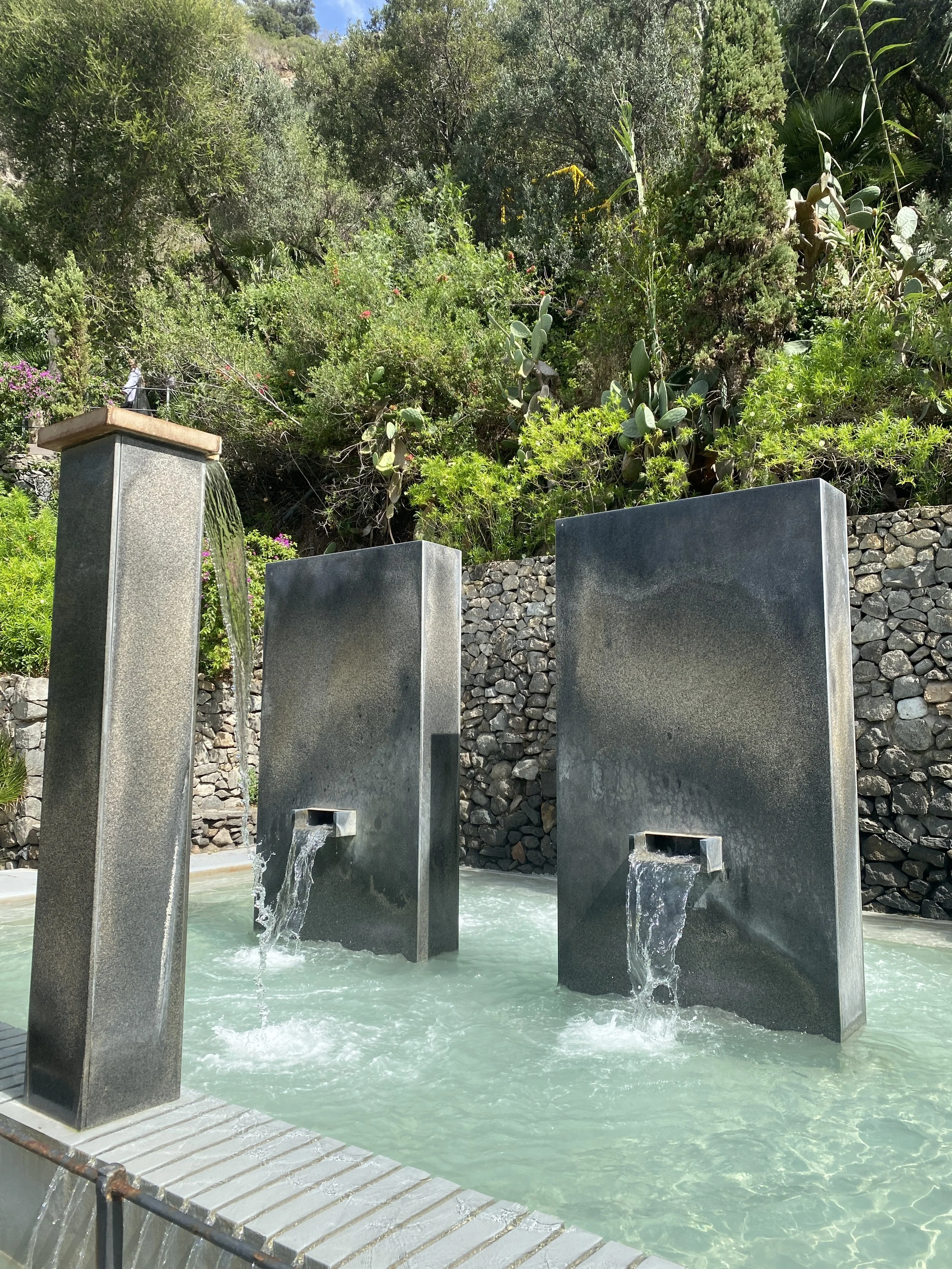
If there's one experience you shouldn't skip, it's spending a day at Negombo Thermal Park. Built into the hillside overlooking Spiaggia di San Montano, the park combines beautifully landscaped gardens with multiple thermal pools of different temperatures, seawater pools and direct beach access. This is also a great activity for cloudy, moodier days, where a pure beach day might be off the cards.
Your admission includes access to the thermal pools, beach, changing facilities and, subject to availability, a sun umbrella and loungers. The park is typically open daily from spring until mid-October, although opening dates vary slightly each season.
If you'd simply like another option, Giardini Poseidon Terme on the west coast is equally popular, although I haven't personally visited it.
Note:Reservations are recommended for full-day entries and can be made from 3 days before your chosen date until 6:00 PM on the day before your visit. Prices become more affordable when booking for two or more people, and cheaper half-day passes are also available.
Prices (2026):
Low season (23 April–2 July and 15 September–11 October): Full-day pass: €55 per person or €100 for two people
High season (3 July–14 September): Full-day pass: €70 per person or €105 for two people
Enjoy the beaches
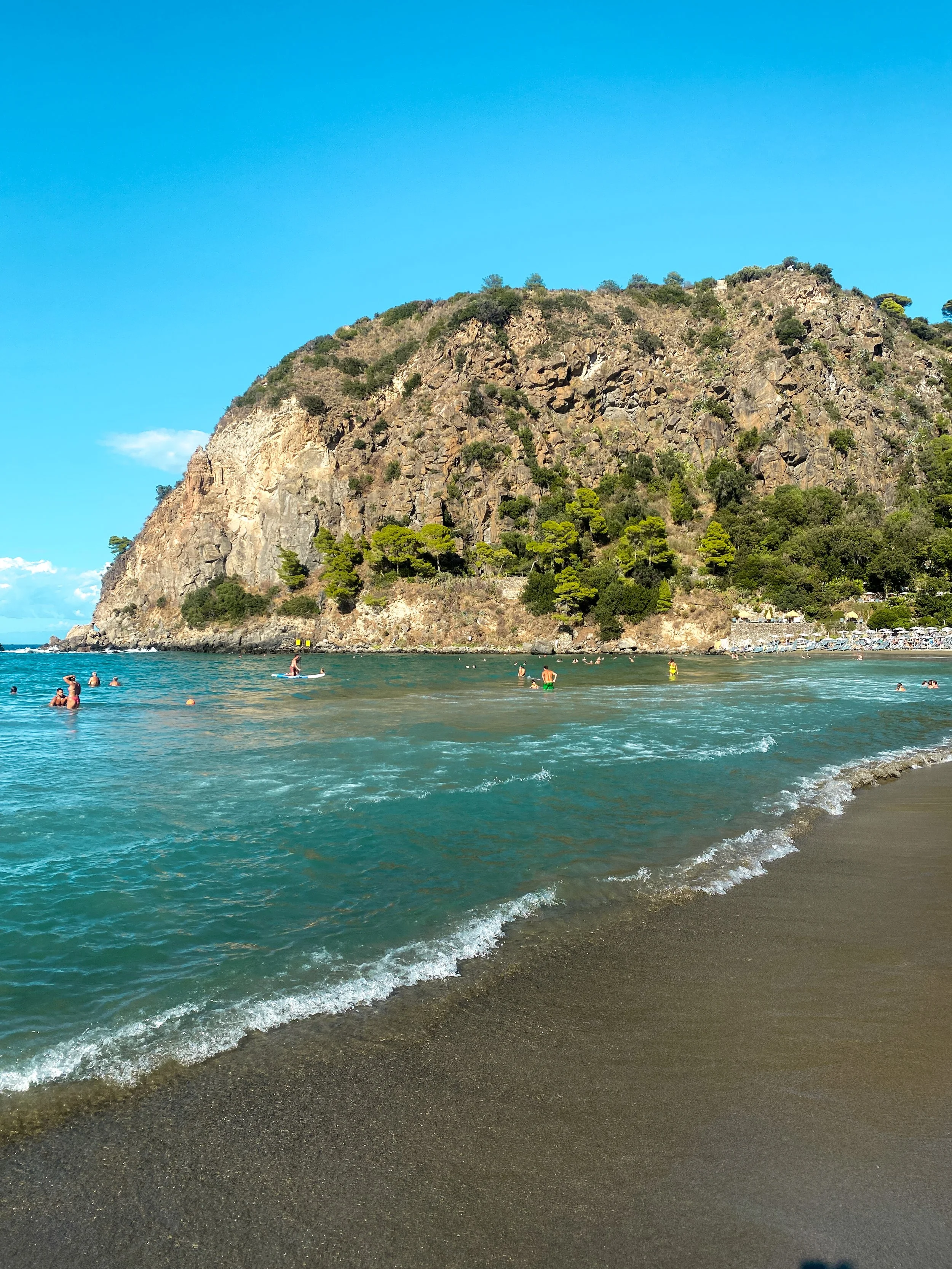
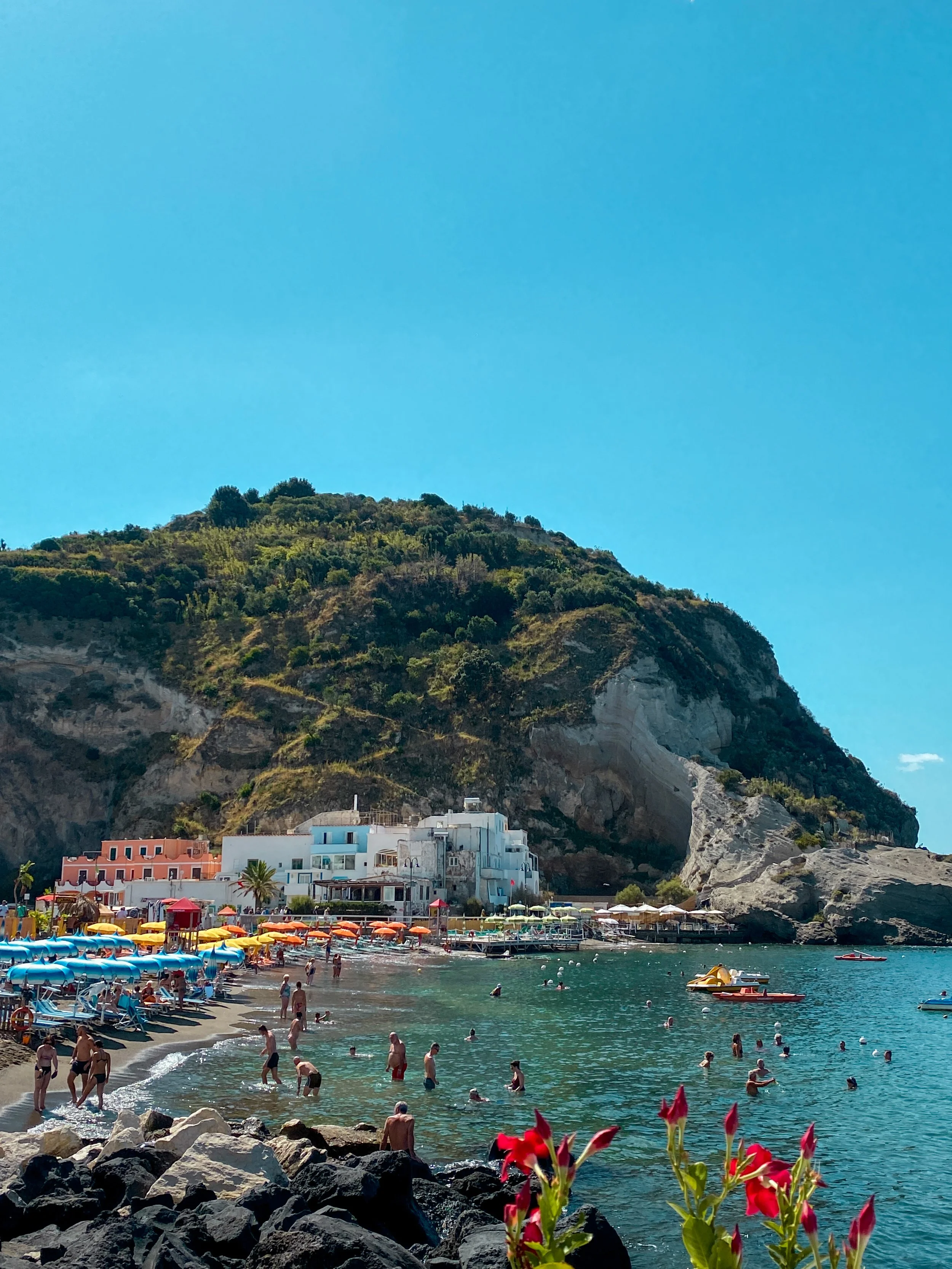
Spiaggia di San Montano is easily one of Ischia’s prettiest beaches, with clear turquoise water and a beautiful setting between lush green hills. Meanwhile, Spiaggia di Sant'Angelo is perfect if you want to combine beach time with exploring one of the island’s most charming villages.
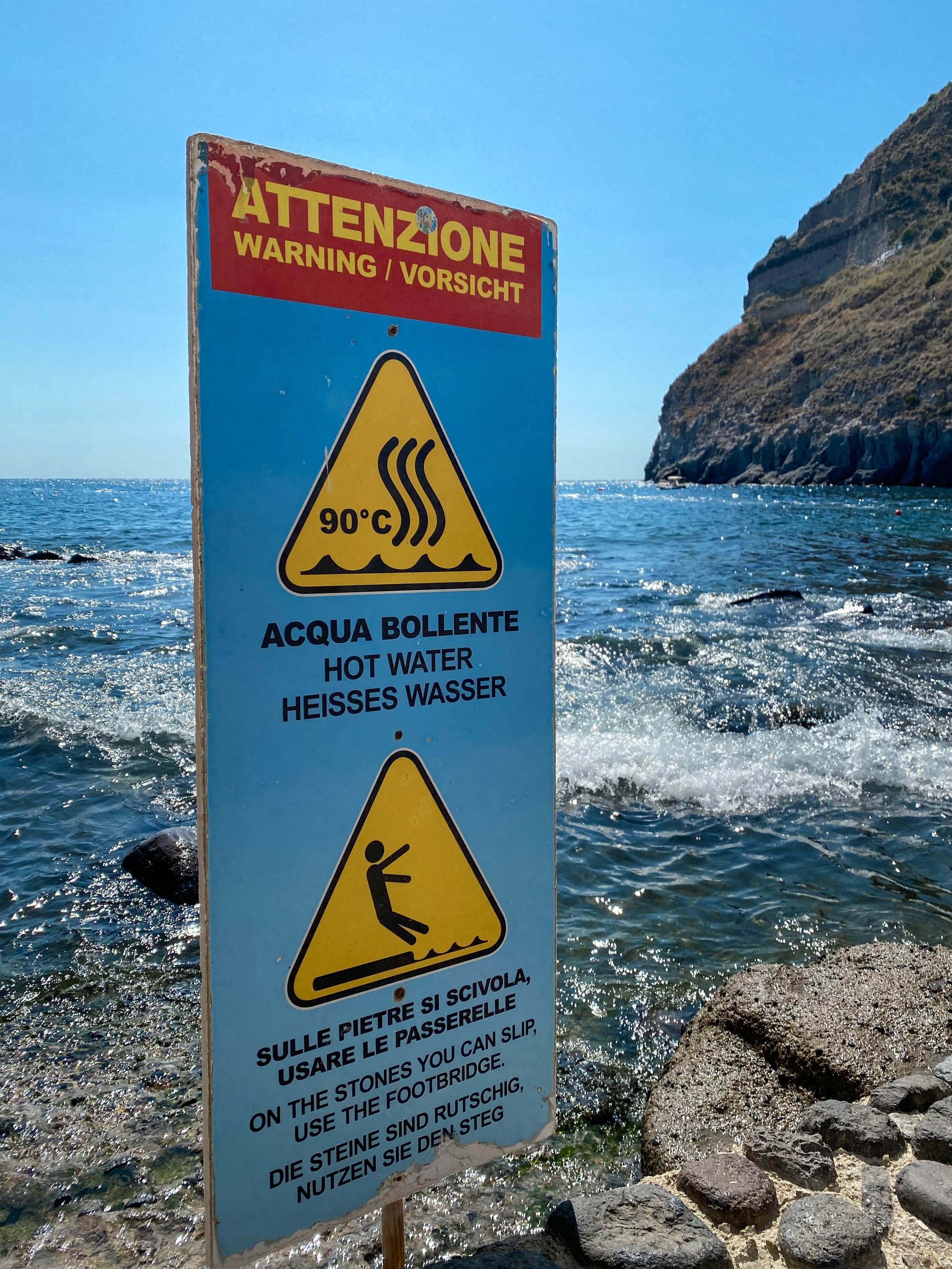
From Sant'Angelo, hop on a small local boat to experience one of Ischia’s most unique attractions: Baia di Sorgeto (Bay of Sorgeto). Thanks to the island’s volcanic activity, naturally heated thermal water flows directly into the sea, creating warm pools among the rocks where you can relax while surrounded by the Mediterranean.
The water temperature changes depending on where you swim and the tides, making it one of the most memorable swimming experiences I’ve had in Italy. Just be prepared to navigate some uneven, rocky sections to reach the hot springs — so bring water shoes if you can. But trust me, the experience is well worth the effort.
📌 Tip: Bring your own sun umbrella if you can. Renting umbrellas and loungers on Italian beaches can quickly become expensive during peak season.
Visit the botanical gardens
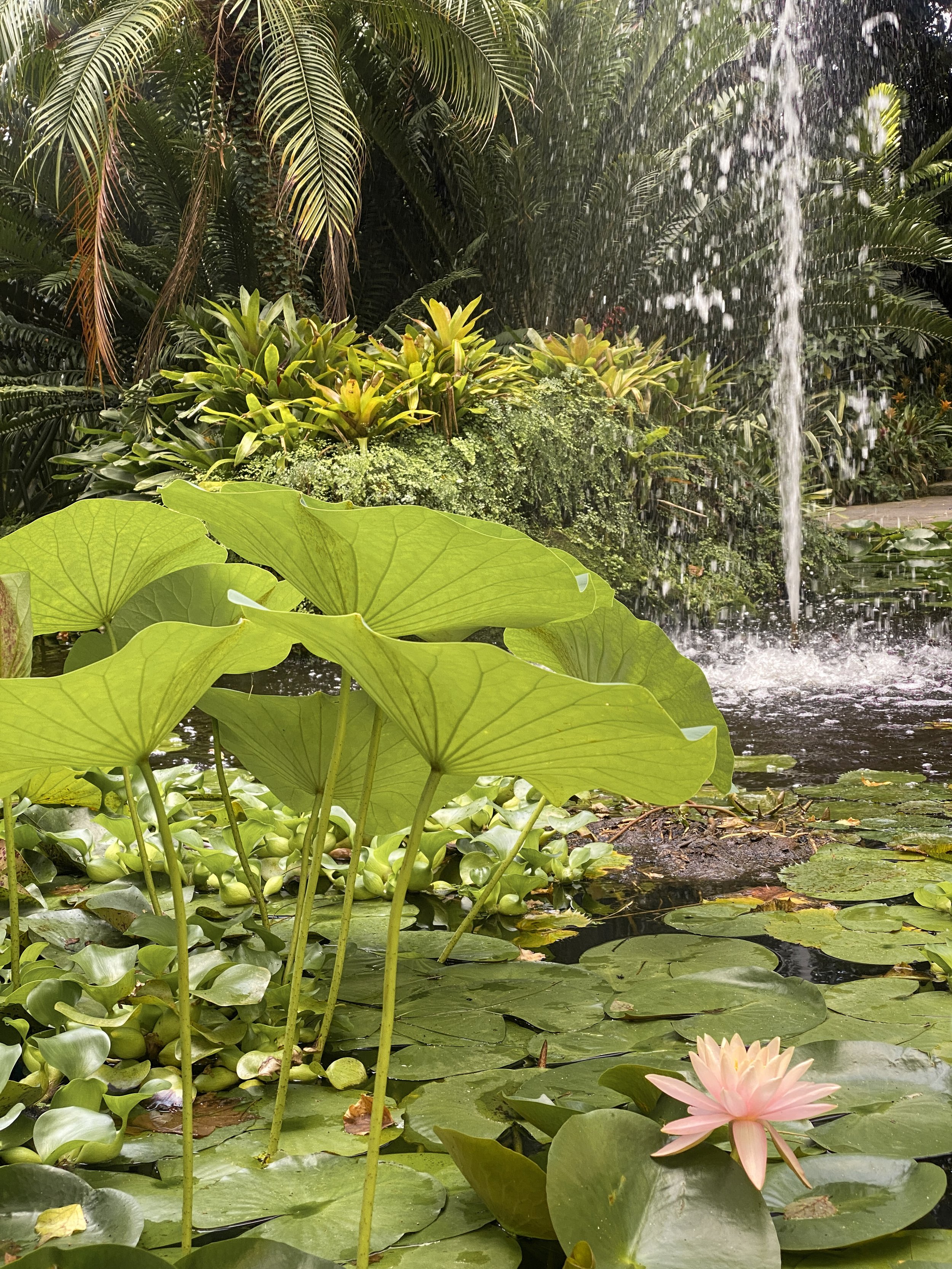
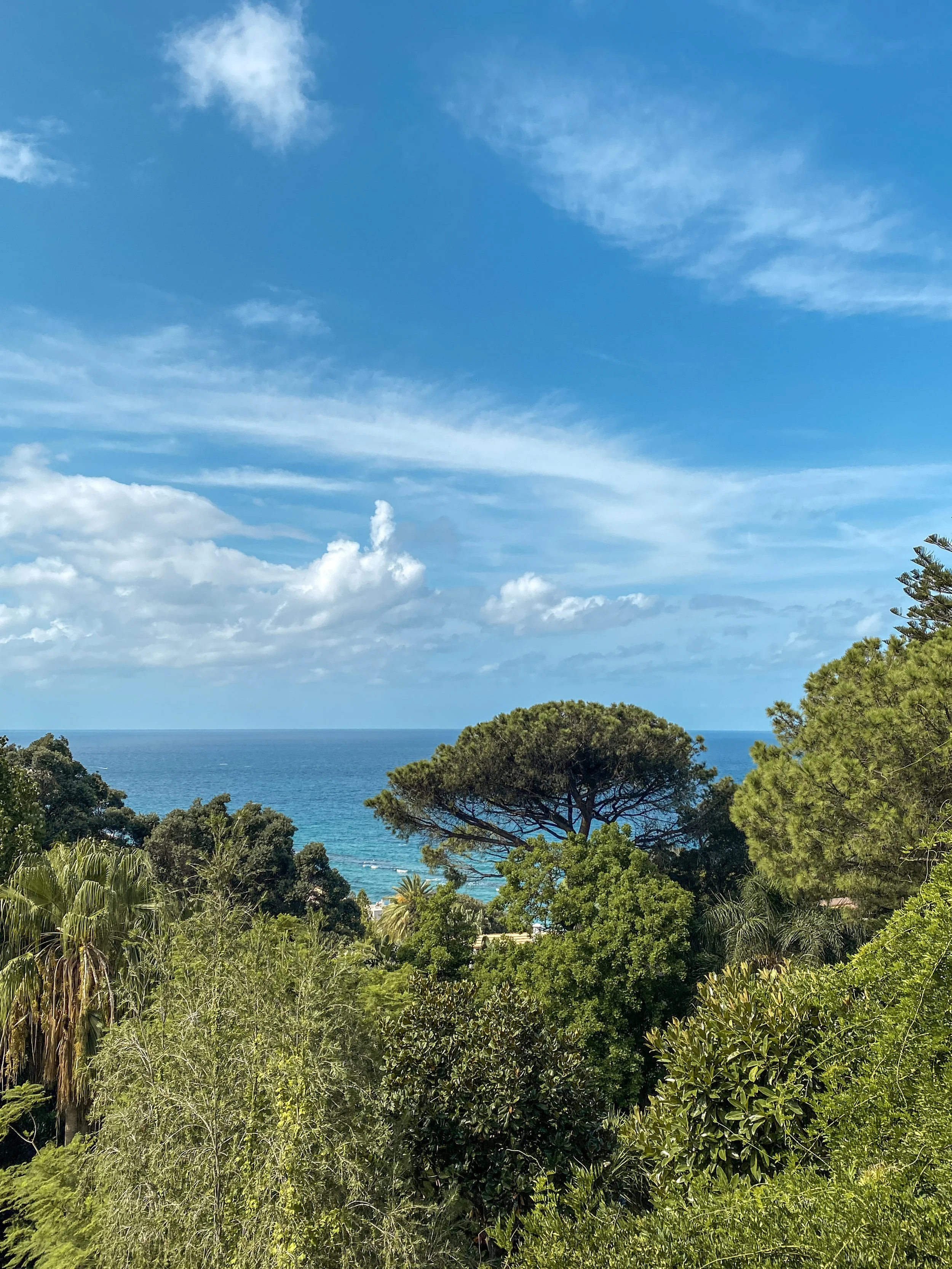
If you're anything like me and can never resist a botanical garden, don't miss La Mortella Gardens. Created in 1958 by Lady Susana Walton, the wife of English composer Sir William Walton, these beautiful gardens were designed around the island’s natural landscape. Spread across two levels, La Mortella combines exotic plants from around the world with Mediterranean views, hidden corners, water features and peaceful pathways.
Practical information:
Opening season (2026): 2 April–1 November
Opening days: Tuesday, Thursday, Saturday and Sunday
Opening hours: 9:00 AM–7:00 PM (last entry at 6:00 PM)
Entrance fee: €15 per adult
Website: https://www.lamortella.org/en/
Wander around small Italian villages
Forio and Sant'Angelo ended up being my favourite towns on the island.
Sant'Angelo is sitting at the very end of the bus line on the south-west, the tiny pedestrian village is filled with colourful houses, elegant boutique shops and waterfront cafés. It's wonderfully relaxed and makes a perfect afternoon stop. Forio is a little livelier and a lovely place for a lunch break or evening stroll, an aperitivo by the harbour or simply getting lost among its narrow streets.
Where to eat in Ischia
One thing Ischia definitely doesn't lack is excellent food. Here are the places we genuinely loved:
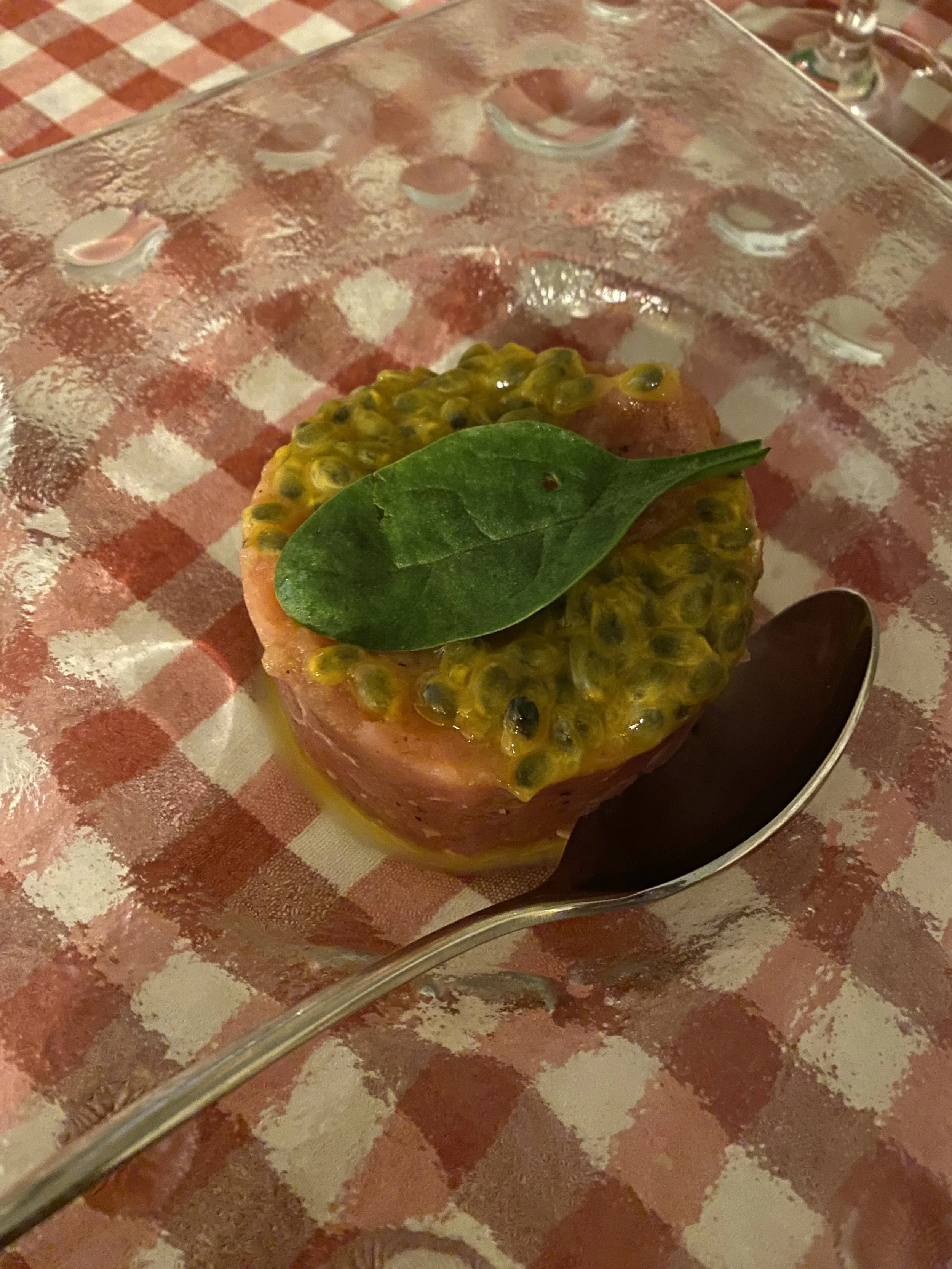
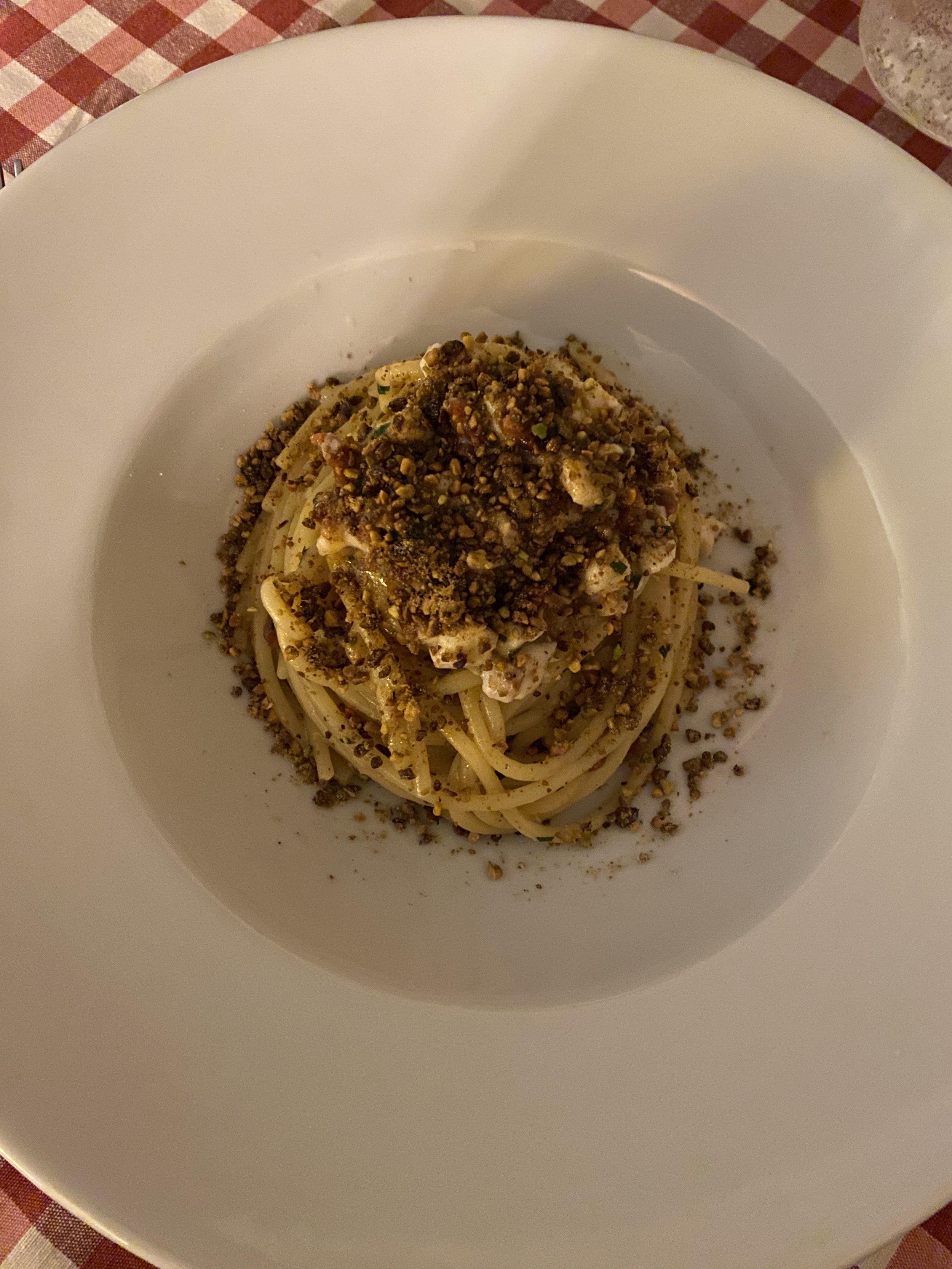
Cantinando (Casamicciola Terme) – One of our favourite dinners on the island. Try the tuna tartare with passion fruit ‘Tartare Di Tonno Con Passion Fruit E Lime’ and pasta with sea bass ‘Spaghettone Al Ragù Bianco Di Spigola Al Profumo Di Limone E Polvere Di Pistacchio’.
SAPORE BISTROT (Casamicciola Terme) – The perfect stop for picking up a freshly made panino before heading to the beach.
Bar Gelateria Di Massa (Casamicciola Terme) – Your essential daily gelato stop.
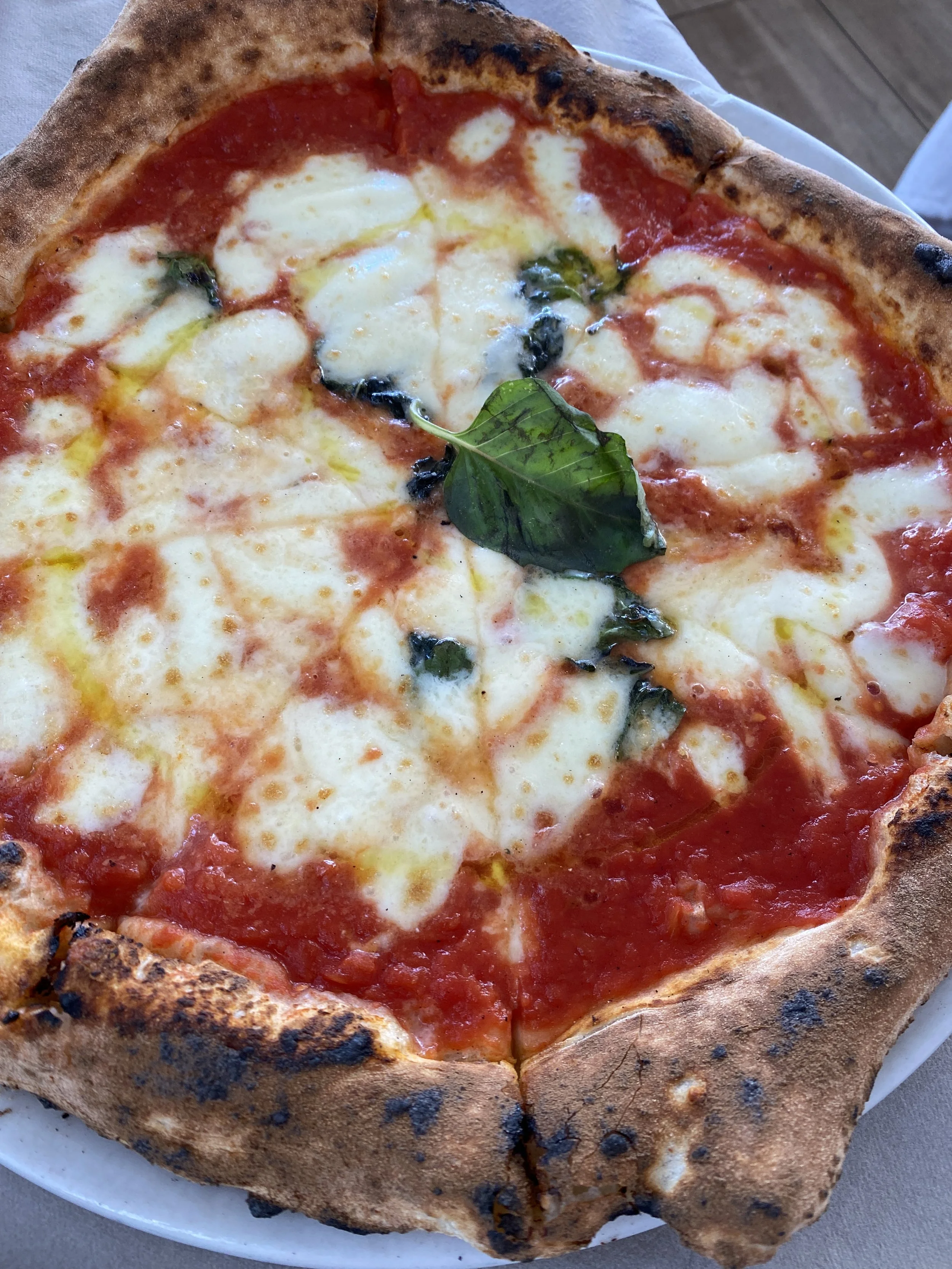
Ristorante Pizzeria La Bella Napoli al Porto (Forio) – Because no trip to the Gulf of Naples is complete without another authentic Neapolitan pizza.
Panificio Le Ventarole (Forio) – A must-visit bakery for breakfast pastries, bread and snacks to take with you while exploring the island.
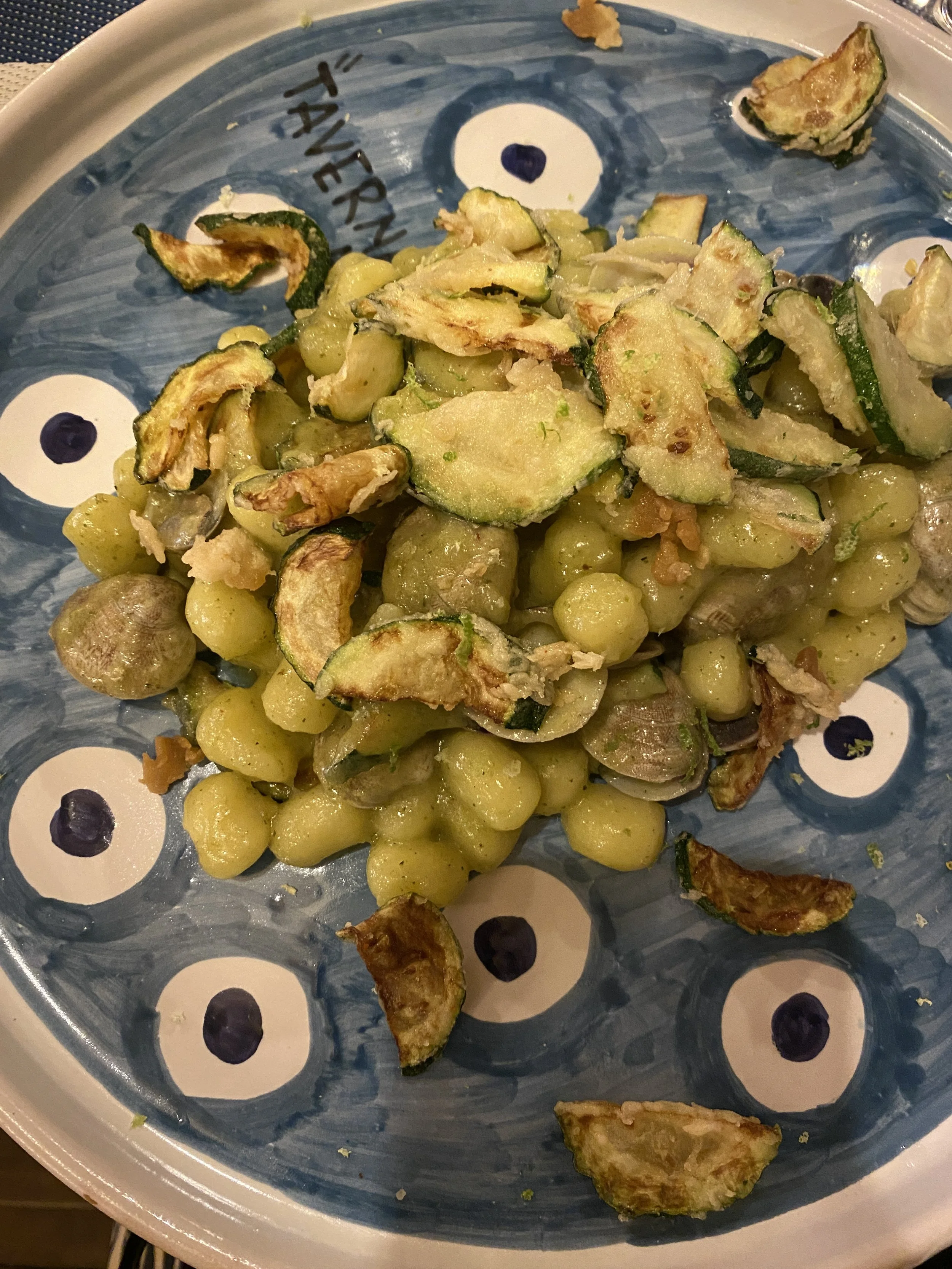
Taverna Antonio (Porto d’Ischia) - A great option if you’re looking for traditional local cuisine close to the port.
Restaurant Auras (Ischia Ponte) – Save this one for a special evening. Located in the charming village of Ischia Ponte, Auras combines excellent food with an unforgettable setting overlooking the Aragonese Castle.
Practical information for visiting Ischia
-
Getting to Ischia is surprisingly easy. Frequent ferries and hydrofoils depart from Naples throughout the day, with the journey taking around 50 to 90 minutes, depending on the type of ferry.
We booked our tickets through FerryHopper, which makes it easy to compare routes, operators and departure times in one place. We paid €51 per person for a return ticket from Naples, which we thought was very reasonable. If you'd rather avoid the small booking fee, you can also book directly with the ferry operators, but for the convenience and comparison tools, I'd happily use FerryHopper again.
-
We based ourselves in Casamicciola Terme, and I'd happily stay there again. As one of Ischia's main ferry ports, arriving and departing couldn't have been easier. It also has excellent bus connections, making it simple to explore the rest of the island without needing a car.
Another great option is Porto d'Ischia, the island's largest town and transport hub. It's a lively base with plenty of restaurants, shops and regular ferry connections to Naples. If you're after a more relaxed atmosphere, Forio is a lovely choice, with beautiful sunsets, a charming historic centre and easy access to some of the island's best beaches. Just keep in mind that you'll have a longer bus journey with your luggage when arriving and departing.
-
One of the things I appreciated most about Ischia was how easy it was to explore without renting a car.
The local bus network has two circular routes that loop the entire coastline in opposite directions. You can buy single tickets, but daily or multi-day passes are both easily worth it if you're taking more than two or three rides a day.
One important thing to know: you can't buy tickets on the bus. Purchase them beforehand from a Tabacchi (tobacconist), Edicola (newsagent) or participating bar, then remember to validate your ticket in the yellow machine when you board.
We visited in September, and buses were generally busy but manageable. From what we've heard, July and August can be significantly more crowded, so allow extra time if you're travelling during peak summer.
-
I'd recommend spending five nights on Ischia if your itinerary allows. That gives you enough time to relax in the thermal baths, explore the different towns, spend a few lazy afternoons at the beach and still enjoy the island's slower pace without feeling rushed.
If possible, avoid the peak summer months of July and August, when both the beaches and buses can become very crowded. Instead, aim for May to mid-June or September, when you'll usually enjoy warm weather, pleasant sea temperatures and a much more relaxed atmosphere. We visited in mid-September, and it felt like the perfect balance of sunshine, swimming weather and manageable crowds.
Why Ischia deserves a place on your Italy itinerary
Capri may be the glamorous sibling, but Ischia has something I personally value much more: authenticity. Life here feels slower, locals stop for an espresso before work and many visitors are Italians returning year after year to the island's famous thermal waters.
Because Ischia is considerably larger than Capri, it also never felt overwhelmingly crowded during our September visit. Each town has its own personality, from elegant Sant'Angelo to lively Forio, making it an island that's worth exploring rather than simply ticking off as a day trip.
For the perfect one-week itinerary, combine 1–2 nights in Naples with five nights on Ischia. You'll experience the buzz, world-class food and fascinating history of Naples before slowing down among thermal springs, charming villages and laid-back island life.